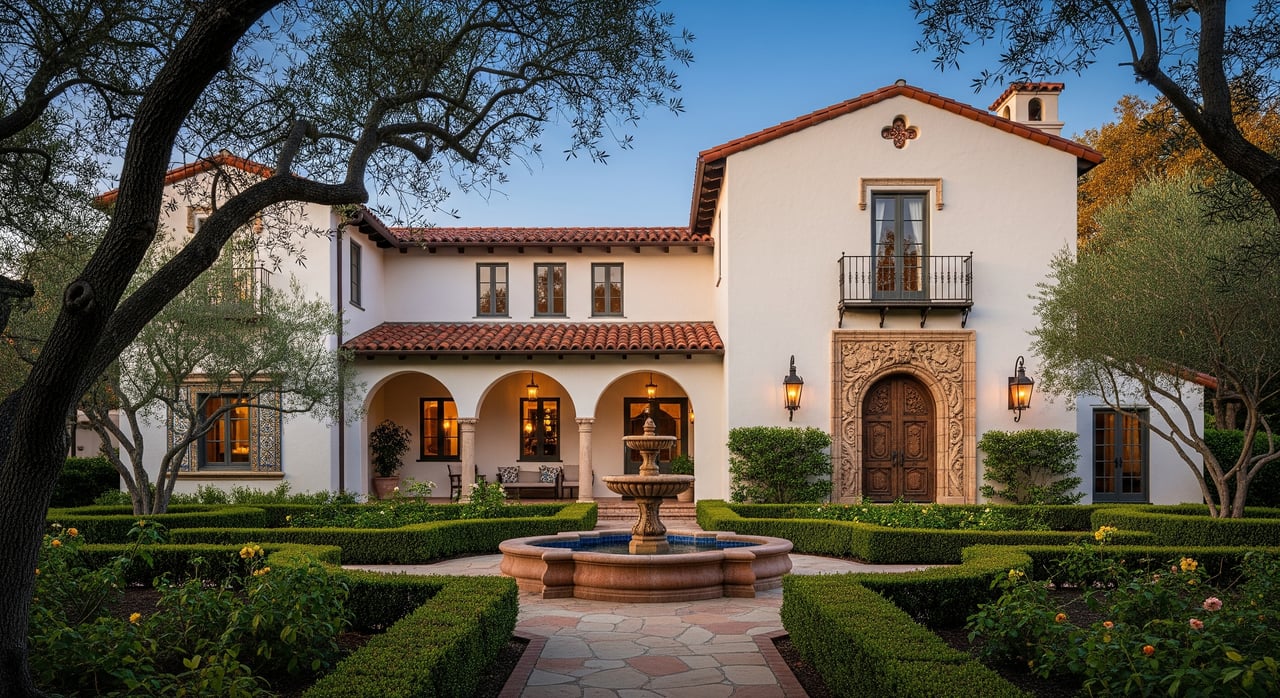
San Marino Historic Homes Guide for Buyers & Preservation
January 15, 2026
January 15, 2026
Thinking about owning a classic San Marino home with original character and craftsmanship? Historic homes can be deeply rewarding, but they also come with rules, responsibilities, and smart ways to plan your projects. You want clarity before you buy so you can protect both the architecture and your budget. This guide walks you through preservation basics in California and the practical steps that apply in San Marino, so you can move forward with confidence. Let’s dive in.
Not all historic designations are the same. In California, a home can be recognized at the local, state, or federal level. State or federal listing usually recognizes significance and can unlock incentives, but it does not by itself restrict what a private owner can do. Local designation is what most often affects permits and design review.
San Marino buyers should expect local review for visible exterior changes if a home is locally designated or within a historic district. Many cities use the Secretary of the Interior’s Standards for Rehabilitation to guide decisions on additions, windows, doors, and other elements. Your first step is to confirm whether the home is locally listed and whether prior approvals or conditions are on record with the city.
Plan for design review before major exterior work like additions, significant window or door changes, and demolition. Cities often require a historic-review permit or a Certificate of Appropriateness before you start construction. Public noticing and hearings can apply for larger projects.
In California, discretionary approvals that affect a historical resource can trigger environmental review under CEQA. Routine private repairs usually do not trigger CEQA. If your project is more complex, ask the City of San Marino which actions require hearings, how long review typically takes, and what standards apply.
The California Historical Building Code (CHBC) offers flexible code pathways for qualified historic buildings. It helps you make safety and performance upgrades while respecting historic materials and methods. Ask local building officials how the CHBC can apply to your plans.
The Mills Act is the primary California property tax incentive for private historic homes. A city-level contract can significantly reduce property taxes in exchange for a commitment to maintain and preserve the property. Contracts vary, may transfer to new owners, and usually include periodic inspections. Verify terms with the city and county before you close.
Federal Historic Rehabilitation Tax Credits are designed for income-producing properties and projects that follow the Secretary’s Standards. They generally do not apply to owner-occupied single-family residences.
Historic homes may cost more to maintain and repair due to specialty materials and craftsmanship. Budget for appropriate wood window repair, compatible masonry work, traditional trim, and paint cycles. Expect bids from contractors with historic experience to be higher but better aligned with preservation standards.
Insurance can be different for older homes. Work with an insurer who understands replacement of historic features and can quote the right coverage. Confirm how claims would handle original materials and custom finishes.
If the home needs work, renovation loans can help. FHA 203(k) and Fannie Mae HomeStyle Renovation loans are commonly used for homes that need updates, including historic properties. Lenders familiar with older homes can explain which repairs are eligible and how appraisers view historic features.
Seismic improvements are a priority in older California homes. A structural engineer with historic experience can design foundation and framing upgrades that protect both life safety and original fabric. When a project is significant, CHBC options may allow compatible solutions.
MEP systems often require careful routing to avoid unnecessary demolition of historic fabric. Plan paths for ducting, wiring, and plumbing with preservation in mind.
For energy efficiency, focus on air sealing, weatherstripping, and high-quality storm windows or interior panels before full window replacement. Solar can be possible when panels are sited with low visual impact, such as rear-facing slopes, subject to local guidelines and review.
Many studies show well-maintained historic homes and districts can support stable or stronger values compared with similar non-designated areas. Results vary by neighborhood, condition, and market cycles. The key is to plan improvements that respect historic character while addressing safety, function, and comfort.
If you are drawn to San Marino’s architectural heritage, a little preparation goes a long way. Start by confirming designation status, mapping out your project scope, and building the right team. When you are ready to explore options or want a second set of eyes on due diligence, our Pasadena-based team is here to help. Reach out to The Kinkade Group for a calm, consultative plan tailored to your goals.
Stay up to date on the latest real estate trends.
I am committed to guiding you every step of the way—whether you're buying a home, selling a property, or securing a mortgage. Whatever your needs, I've got you covered.
THE KINKADE GROUP | CA DRE# 01811027
680 E. Colorado Blvd #400 Pasadena, CA 91101