Do you work in Downtown LA and want a Pasadena home base that keeps your commute sane? You are not alone. With direct light rail into Downtown and multiple freeway choices, Pasadena gives you real options. In this guide, you will learn how each neighborhood lines up with rail, road, or hybrid commutes, plus the tradeoffs to expect so you can choose with confidence. Let’s dive in.
How Pasadena commutes work
Pasadena offers you two primary commute modes into LA job hubs: light rail and freeways, with local bus and bike options to fill the gaps. Your best neighborhood will align with the mode you plan to use most days.
Rail to Downtown LA
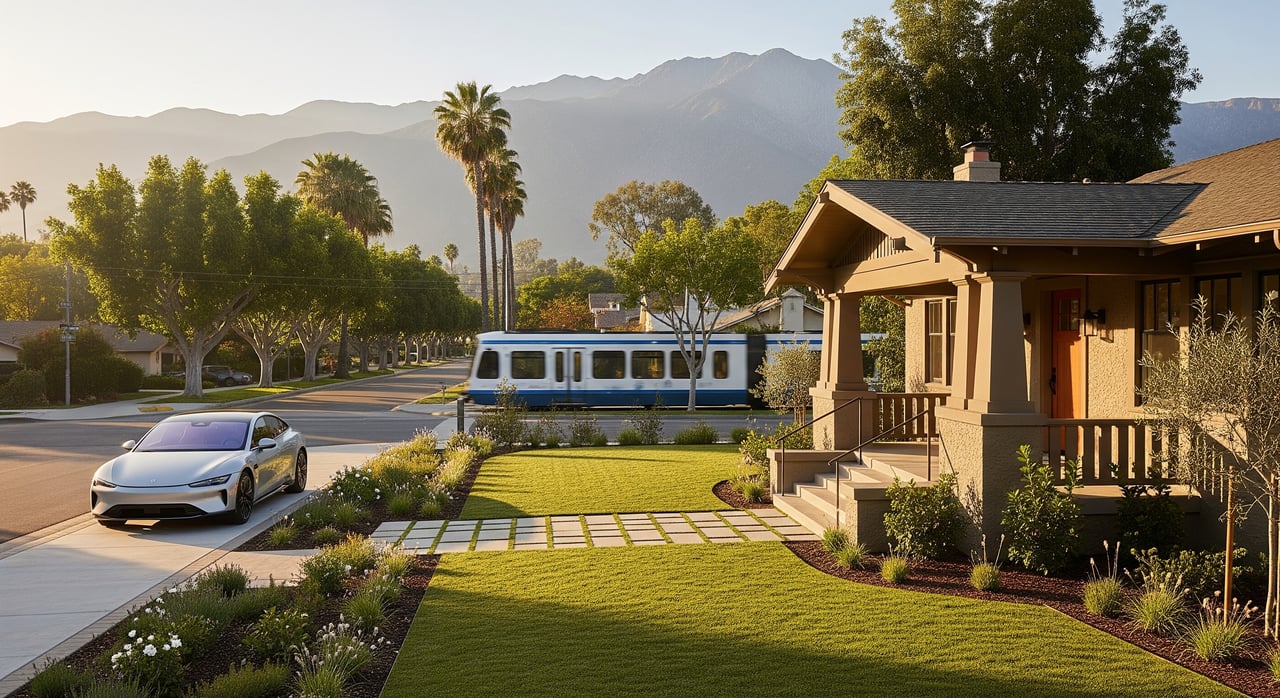
The Metro A Line runs from Pasadena directly into Downtown LA after the Regional Connector opening in 2023. Typical travel times from central Pasadena stations to Union Station are often in the 20 to 30 minute range, depending on your origin station and stops. Peak hour frequency is usually higher on weekdays, but always check current timetables and station parking if you plan to park-and-ride.
Freeways and peak patterns
You have three main freeway corridors:
- SR-110 into Downtown LA is the most direct. It can be fast off-peak but slows during rush hours.
- I-210 runs along northern Pasadena and is ideal for east-west trips and links to other Valley and suburban routes.
- CA-134 carries you west toward Glendale, Burbank, and connections to the 101.
Driving times vary a lot by time of day. If your job requires punctual arrivals during peak periods, plan to test your route during commute hours before you buy.
Buses, bikes, and first-last mile
Local and regional bus lines connect Pasadena neighborhoods to rail stations and nearby job centers. Some stations offer bike parking, and many residents mix ride-hail or local shuttles for the first or last mile. If you want to avoid competing for station parking, look for homes within a comfortable walk to a station.
Best neighborhoods for LA commuters
Each Pasadena area below highlights the commute strengths, housing feel, and what type of commuter tends to thrive there.
Central Pasadena, Old Pasadena, South Lake, Playhouse
- Commute strengths: Walkable access to central stations near Old Pasadena and Memorial Park for direct Downtown service. Shorter drive to SR-110 ramps via Arroyo Parkway or Colorado Boulevard.
- Housing snapshot: Condos, lofts, and apartments near the core, with historic single-family homes radiating outward. Expect higher density and fewer large yards in the most walkable blocks.
- Best for: Rail-first commuters who want predictable trips to Downtown and easy after-work amenities. Also works for car commuters who value proximity to access roads and can manage peak traffic.
- Tradeoffs: Higher price per square foot in prime walkable zones and tighter parking near Old Pasadena.
Northeast, Hastings Ranch, Sierra Madre Villa corridor
- Commute strengths: Access to eastern stations such as Sierra Madre Villa and nearby stops on the A Line for Downtown riders. Quick access to I-210 for east-west travel.
- Housing snapshot: More single-family homes, many post-war and mid-century, often with larger lots than central Pasadena.
- Best for: Drive-first commuters along the I-210 corridor or those who will drive or bike a short distance to a station. Good for buyers seeking more space without losing rail access entirely.
- Tradeoffs: If you rely on driving all the way to Downtown, the first leg can add time. Rail riders should target homes within a comfortable walk or quick ride to a station.
East Pasadena and San Gabriel Valley-facing areas
- Commute strengths: Several eastern stations serve Downtown riders and offer direct access to I-210 eastward for San Gabriel Valley jobs.
- Housing snapshot: Mix of apartments and single-family homes, including ranch-style and mid-century properties.
- Best for: Split-commute professionals who divide time between Downtown LA and the east Valley. You get suburban space while keeping rail access feasible.
- Tradeoffs: If you rely on freeways to reach Downtown during rush hour, expect moderate to longer drive times. Learn local arterial patterns on routes like Huntington Drive and Foothill Boulevard.
Northwest edge near CA-134 and the Arroyo
- Commute strengths: Quick connections to CA-134 and I-210 make this area convenient for Glendale, Burbank, and west-of-Downtown jobs. Rail proximity varies by exact location.
- Housing snapshot: Mix of single-family homes, including hillside properties and historic stock, with some larger lots.
- Best for: Valley-bound drivers who need regular access to Burbank and Glendale, or to westward corridors.
- Tradeoffs: Hilly terrain and longer local streets in some spots. If you plan to ride rail to Downtown, expect a short drive or bike ride to a station.
South Pasadena and the Arroyo-adjacent areas
- Commute strengths: Fast access to southbound SR-110 into Downtown. Short drives or bike rides to Pasadena rail stations from some pockets.
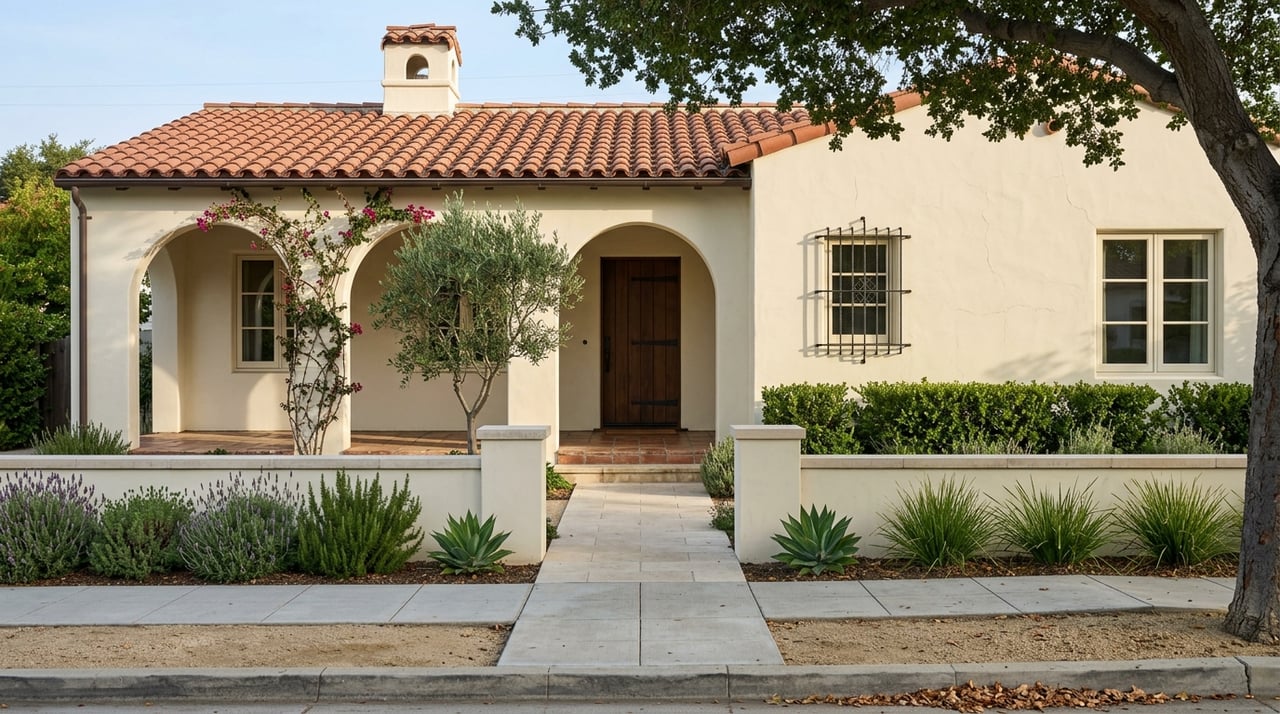
- Housing snapshot: Historic single-family homes and a quieter residential setting.
- Best for: Downtown drivers who want a residential feel with a straightforward route to DTLA.
- Tradeoffs: Limited development keeps supply tight. Confirm your station walking or biking time if you plan to mix in rail.
Match your commute style first
Before you pick a block, decide which mode you want most days. Your home search gets easier once you align neighborhood and mode.
Rail-first buyers
- Target homes within roughly 0.25 to 0.6 mile of stations such as Old Pasadena, Memorial Park, Del Mar, Lake, Allen, and Sierra Madre Villa.
- Favor walkable access over station parking to avoid lot capacity issues and arrival cutoffs.
- Compare door-to-door time, not just train time. The walk and wait window matters.
Drive-first buyers
- Prioritize the route you will use most: SR-110 for Downtown LA, I-210 for east-west trips, CA-134 for Glendale-Burbank.
- Test the commute during peak hours in both directions for at least two weekdays.
- Consider homes with quick access to your on-ramps to reduce surface-street delays.
Hybrid commuters
- Look near stations with park-and-ride or reliable feeder bus options.
- Keep a backup plan for days with freeway incidents or rail service changes.
- If you work hybrid days, you may be able to trade a slightly longer commute for more space or a yard.
Test your door-to-door time
Maps can understate rush-hour realities. Ride and drive your likely route during peak times before you write an offer.
- Sample both mornings and evenings on different weekdays.
- Compare a rail day and a driving day from the same starting point.
- Note parking availability at the time you would arrive at stations or garages.
- Track how long it takes to exit your garage, reach your on-ramp or station, and walk to your office door.
What to weigh beyond the commute
A smooth commute helps, but daily life runs on more than weekday trips. Balance time, space, and routine.
- Home size and lot: Central areas can trade yard size for walkability and rail access. Outlying areas often deliver more square footage and outdoor space.
- Parking and storage: If you rely on station parking, learn typical capacity patterns. Secure bike storage can add flexibility for first-last mile.
- Errands and routines: Groceries, daycare, fitness, and after-work options nearby reduce non-work driving.
- Schedule flexibility: Hybrid or flexible hours can expand your neighborhood choices and budget reach.
Sample commute scenarios
These examples show how neighborhoods align with modes. Your times will vary by origin, time of day, and conditions.
- Old Pasadena condo to Union Station by rail: Walk to a central station like Memorial Park or Del Mar, then ride the A Line. Train travel is commonly 20 to 30 minutes to Union Station, plus your walk time on both ends.
- Hastings Ranch single-family to Burbank by car: Quick access to I-210 and CA-134 makes westbound commutes straightforward outside severe congestion. Test both early and mid-peak windows to see the pattern you can live with.
- Sierra Madre Villa area to Downtown via park-and-ride: Short drive or bike to the station, then direct A Line service. If you plan to park, verify arrival times that typically secure a spot and consider a backup bus or bike option.
How The Kinkade Group can help
You deserve a home that supports your work life and your daily routine. As a Pasadena-based team with deep neighborhood insight and mortgage-savvy guidance, we help you align budget, lifestyle, and commute with clarity. We will map your likely routes, preview stations and parking with you, and structure offers that account for timing, contingencies, and your desired move date.
If you are weighing Central Pasadena’s rail convenience against more space in Hastings Ranch or the quick SR-110 access near the Arroyo, we can help you compare options side by side. When you are ready, we will craft a search strategy that matches your commute style and long-term goals.
Ready to find your best-fit Pasadena neighborhood for an LA commute? Reach out to The Kinkade Group to schedule your personalized market consultation.
FAQs
Which Pasadena areas work best for Downtown LA commuters?
- Central Pasadena near Old Pasadena, Memorial Park, and Del Mar stations favors rail riders, while South Pasadena and Arroyo-adjacent areas favor SR-110 drivers.
How long is the Metro ride from Pasadena to Union Station?
- From central Pasadena stations, train time is commonly about 20 to 30 minutes, plus your walking or transfer time.
Is driving the 110 faster than taking the train to Downtown?
- It depends on time of day and incidents; the A Line offers congestion-free travel, while SR-110 can slow during peak hours, so test both during your schedule.
What if my job is in Glendale or Burbank?
- Areas near CA-134 and the I-210 junction on Pasadena’s northwest edge often work well for Valley-bound drivers heading to Glendale or Burbank.
What if I work a hybrid schedule and only commute a few days?
- You can widen your search to larger homes farther from stations, then plan a hybrid strategy that mixes park-and-ride or off-peak driving when needed.