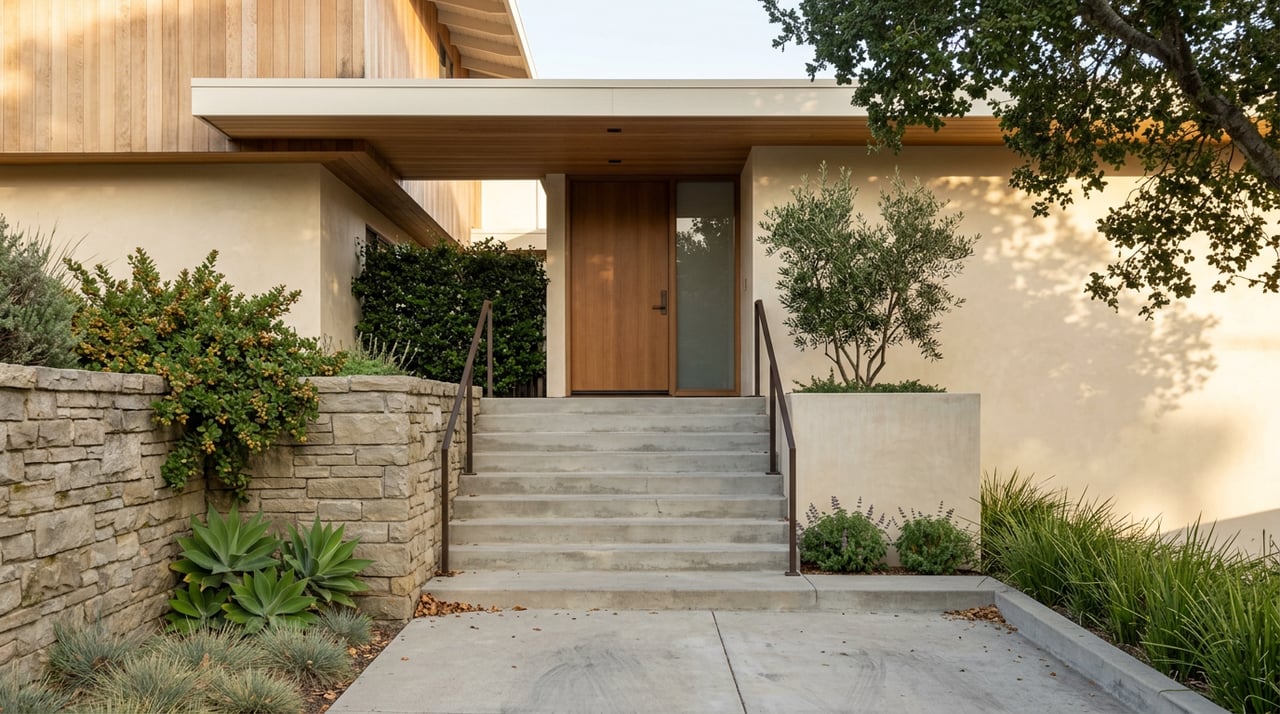
Mount Washington Hillside Living Essentials for Buyers
March 24, 2026
March 24, 2026
You fall in love with the view first. In Mount Washington, the hillside setting is the star, but the slope decides how you live day to day. If you are weighing a purchase here, you want a clear plan for access, parking, drainage, walls, inspections, and insurance. This guide gives you the essentials so you can buy confidently and avoid costly surprises. Let’s dive in.
Mount Washington sits within a local planning overlay that shapes design, landscaping, protected trees, and what counts as usable open space. The neighborhood follows the Mount Washington/Glassell Park Specific Plan, which adds project-level standards beyond citywide code. You can review those standards in the city’s official Mount Washington/Glassell Park Specific Plan.
Much of the area also falls under Los Angeles’s Baseline Hillside Ordinance and related Hillside Construction Regulations. These rules govern how much you can build, grading thresholds, and when discretionary review is triggered. Get familiar with the Baseline Hillside Ordinance provisions before you plan additions or major site work.
Many parcels are in a Very High Fire Hazard Severity Zone. That designation can affect materials, vegetation management, and future permitting. Use the state’s Fire Hazard Severity Zone viewer early in your search to confirm your parcel’s status.
Fire and emergency access set the baseline. Local rules that adopt the California Fire Code typically require a minimum 20-foot unobstructed width for fire apparatus, a vertical clearance of 13 feet 6 inches, and a turnaround for dead-end access beyond 150 feet. Grades are limited, often near 12 to 15 percent with approvals. Review the standards summarized in this fire apparatus access reference and confirm your address with LAFD during escrow.
Driveway steepness and length matter for safety, daily convenience, and financing. There is no single universal grade limit for lenders, but steep, narrow, or long driveways that block two-way access or exceed fire thresholds can derail a loan. Ask for the measured driveway grade and have your inspector test driveability. For a permitting and lender context, see this overview of Los Angeles steep-site permitting and haul routes.
On-street parking is not guaranteed. Some blocks fall within residential permit districts that limit overnight or guest parking. Check LADOT’s Residential Parking Permit programs to learn the rules, guest-permit counts, and application steps.
If you plan future work that involves importing or exporting soil, expect added logistics on narrow streets. Haul-route approvals can add time and conditions. Get an early grading estimate from a geotechnical engineer to predict whether you will need a haul route.
On a hillside, “yard” often means terraces, decks, or compact pads. The local Specific Plan clarifies usable open space and notes that long runs of stairs do not count. Review the city’s Specific Plan definitions of usable open space so you understand what will qualify on your lot.
Retaining walls are common and must be safe and properly permitted. Walls that retain significant height or support a surcharge usually require engineering, subdrains, and permits. For design expectations and permit triggers, see LADBS’s retaining wall design bulletin. Ask for engineered plans, calculations, and maintenance notes for any major wall.
Drainage is often the real limiter of yard usability. Concentrated roof flows, uphill runoff, and blocked drains can cause damage. Larger projects must follow the city’s Landform Grading Manual, which spells out interceptor terraces, vee-channels, and outlet protection. When touring, look for saturated soils, staining, bulging walls, or recent fill. Request any soils reports and as-built drainage details.
Trees and protected vegetation also shape what you can do outdoors. The Specific Plan recognizes certain significant or native trees and sets review and replacement standards. If notable trees are present, ask for any arborist reports that accompanied past permits.
Mount Washington includes historic public stairways that add character and walkability. Some homes rely on these stairs or steep steps for daily access. Learn the context through this brief history of Los Angeles’s public stairways, then walk the full route to the house from top and bottom at different times of day.
If a stair street is part of your access, document how mail, deliveries, garbage, and emergency services are handled. Plan the logistics and cost of moving furniture, appliances, and construction materials. For buyers with mobility needs, this can be a deciding factor.
Orientation shapes daily comfort and energy use. East-facing slopes capture morning light and cooler afternoons. West-facing exposures see hotter afternoons and can increase cooling loads in summer. Visit at the times you will live in the home to confirm the feel.
Views are a major value driver but are rarely protected by default. Unless your title report shows a recorded easement, you should assume views can change due to future development or tree growth. Ask your agent to coordinate a title review that checks for view, access, and maintenance easements, plus any nearby permit filings.
Line up specialists early so you can make a confident decision within your inspection period.
Bring these documents to inspections: permit history and plans for the house, walls, driveway, decks, and pools; any soils reports and wall calculations; title report with recorded easements; and any prior fire-department access approvals.
Earthquake coverage is separate from a standard homeowners policy. Learn coverage options and deductibles with the California Earthquake Authority. Standard homeowners insurance often excludes earth movement and flood, so ask about specialty or difference-in-conditions coverage. This overview of typical exclusions can help you frame questions for your insurer (earth movement and homeowners policies).
Lenders sometimes require repairs to meet collateral standards, especially if access is substandard or a retaining wall is unsound. A quick pre-offer conversation with your lender about steep-driveway and hillside-access rules can save time. For context on lender and permitting sensitivities, see this note on steep-site permitting in Los Angeles.
If your property is in the Very High Fire Hazard Severity Zone, factor in potential material and vegetation requirements. Confirm the parcel designation with the state’s FHSZ viewer and discuss any implications with your inspector and insurer.
A Mount Washington hillside home can deliver light, privacy, and inspiring canyon or city views. The key is pairing that beauty with safe access, sound walls and drainage, and clear records. If you want a calm, consultative path from first tour to clear close, reach out to The Kinkade Group. Our Pasadena and NELA focus, lending-savvy guidance, and step-by-step process help you buy with confidence.
Stay up to date on the latest real estate trends.
I am committed to guiding you every step of the way—whether you're buying a home, selling a property, or securing a mortgage. Whatever your needs, I've got you covered.
THE KINKADE GROUP | CA DRE# 01811027
680 E. Colorado Blvd #400 Pasadena, CA 91101