You love the soul of an old house: the woodwork, the porch, the light through original windows. In Highland Park, those character details are everywhere, but every era comes with its own layout quirks, maintenance needs, and rules. If you are hoping to buy a Craftsman, Spanish Revival, midcentury, or period‑revival home, this guide will help you spot key features, plan inspections, and budget with confidence. Let’s dive in.
Highland Park at a glance
Highland Park is one of Northeast LA’s most historic, walkable neighborhoods, known for early 20th‑century homes and later infill that keeps the streetscape varied. Much of the area sits within the Highland Park–Garvanza Historic Preservation Overlay Zone, which sets guidelines for exterior changes on contributing properties. You can review coverage and rules on the city’s Highland Park–Garvanza HPOZ page and the detailed HPOZ Preservation Plan. If you plan to alter a façade, windows, roof, or front landscape, check these resources early.
Know your styles
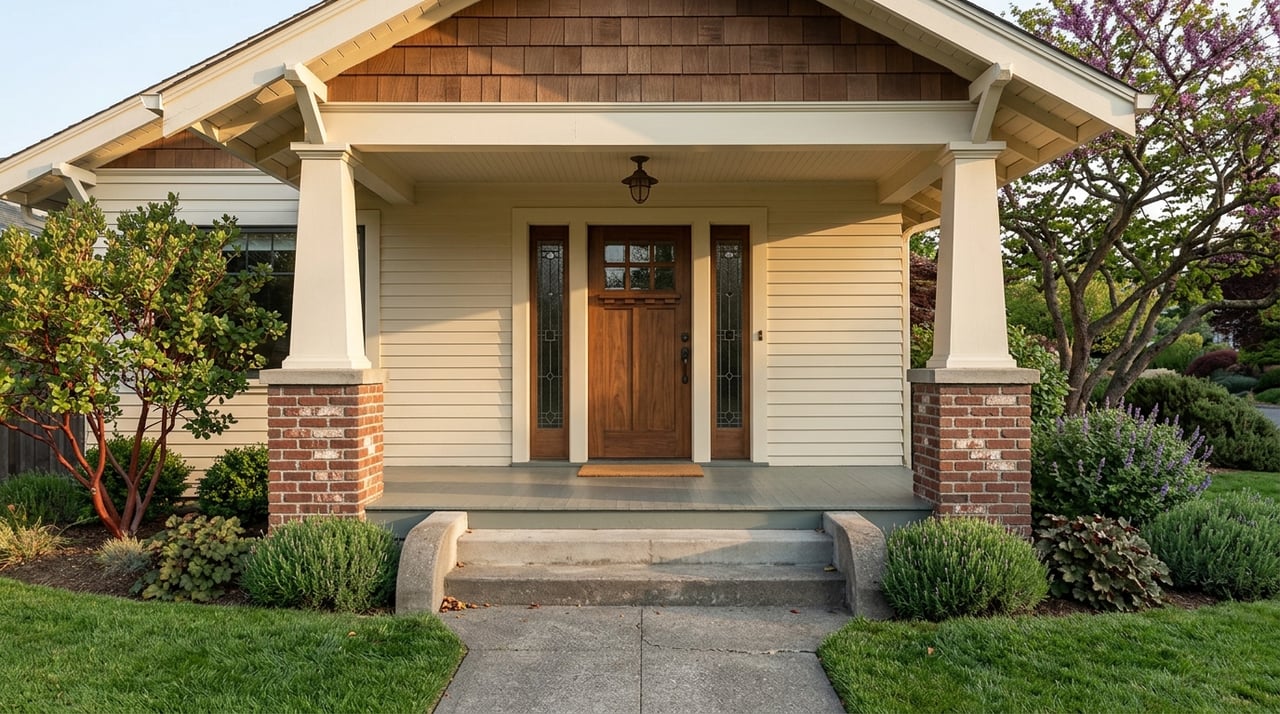
Craftsman and California Bungalow
- When built: commonly 1905 to 1930 in Highland Park.
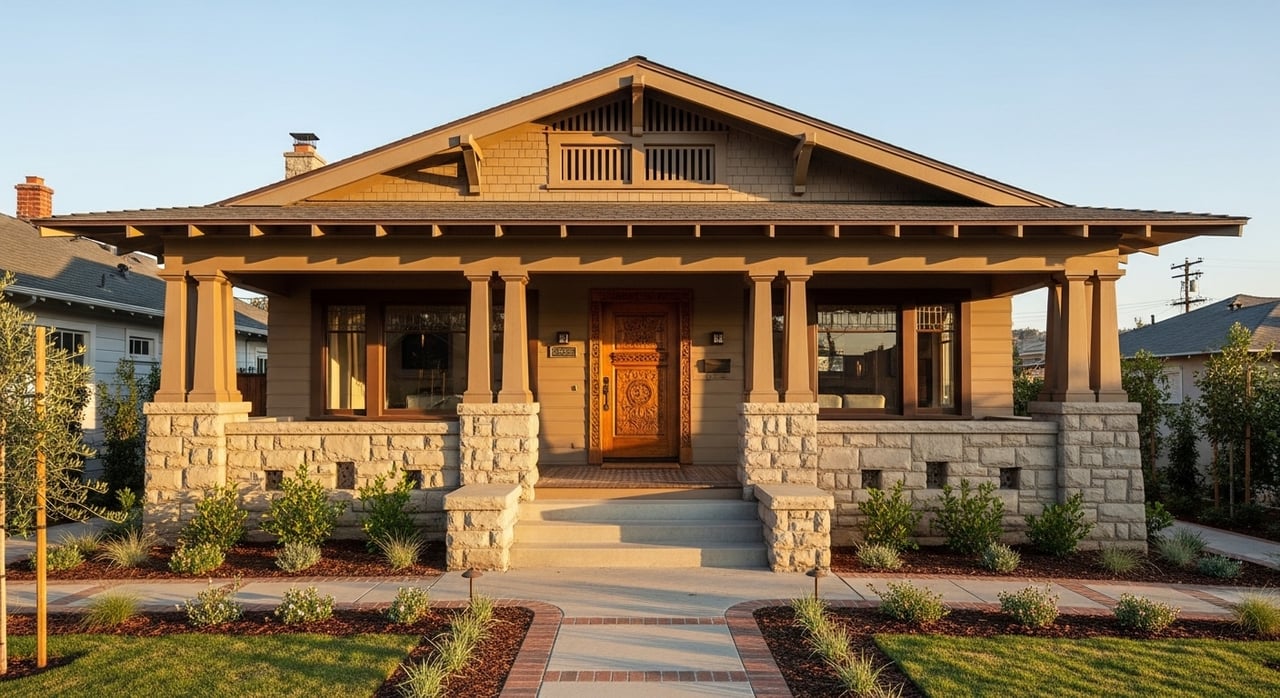
- Hallmarks: low‑pitched gable roofs, wide eaves with exposed rafter tails, deep porches with tapered columns, and abundant interior built‑ins. Rooms often connect in a more segmented plan rather than a large open layout. For a quick primer on typical plans and features, see this overview of Craftsman style home plans.
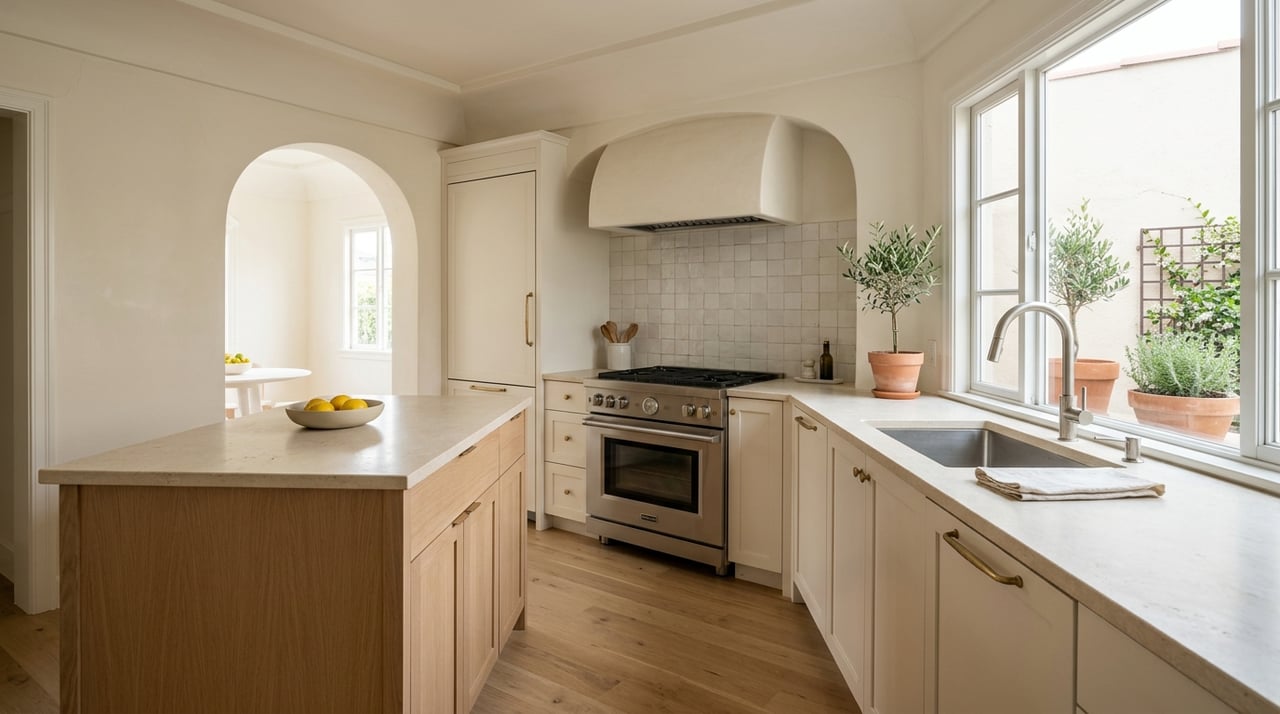
- Buyer notes: you will likely value original millwork, windows, and plaster. Restoration is detail‑sensitive, and many homes need electrical and plumbing updates. Kitchens and baths can be smaller, so plan layouts carefully to preserve period character while adding function.
Spanish, Mission, and Spanish Colonial Revival
- When built: frequently 1915 to 1940, from modest cottages to larger courtyard homes.
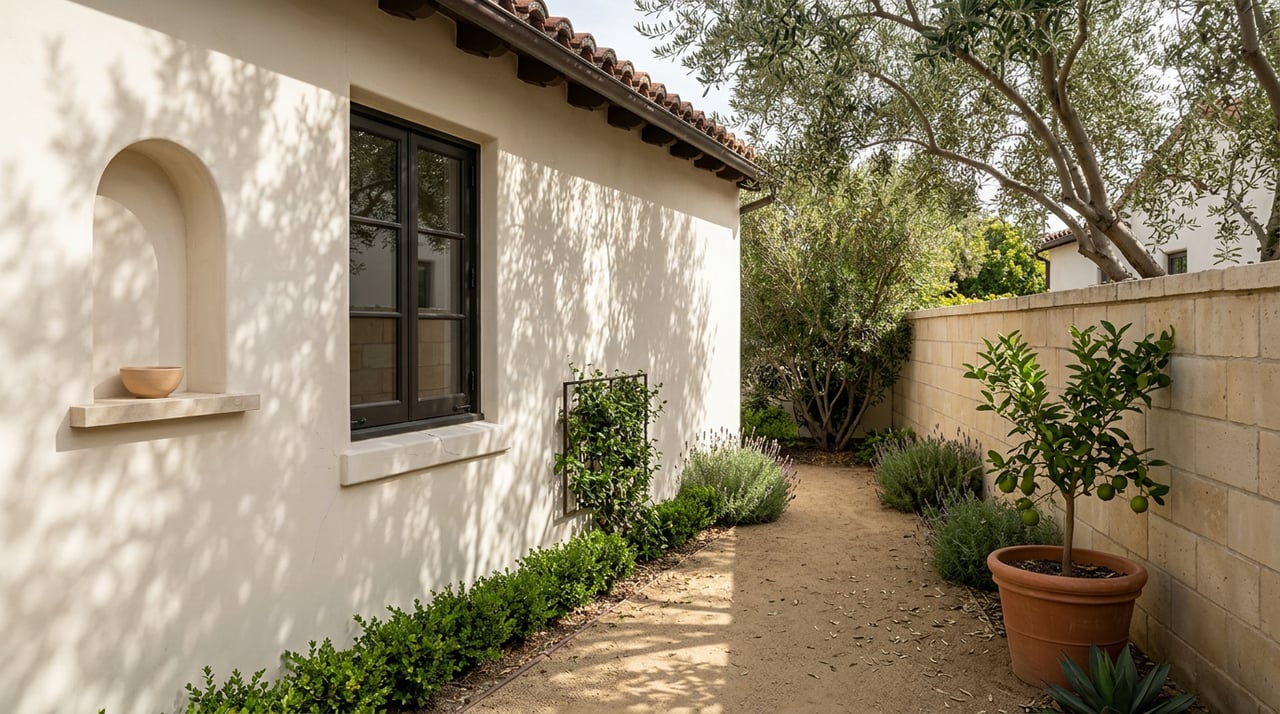
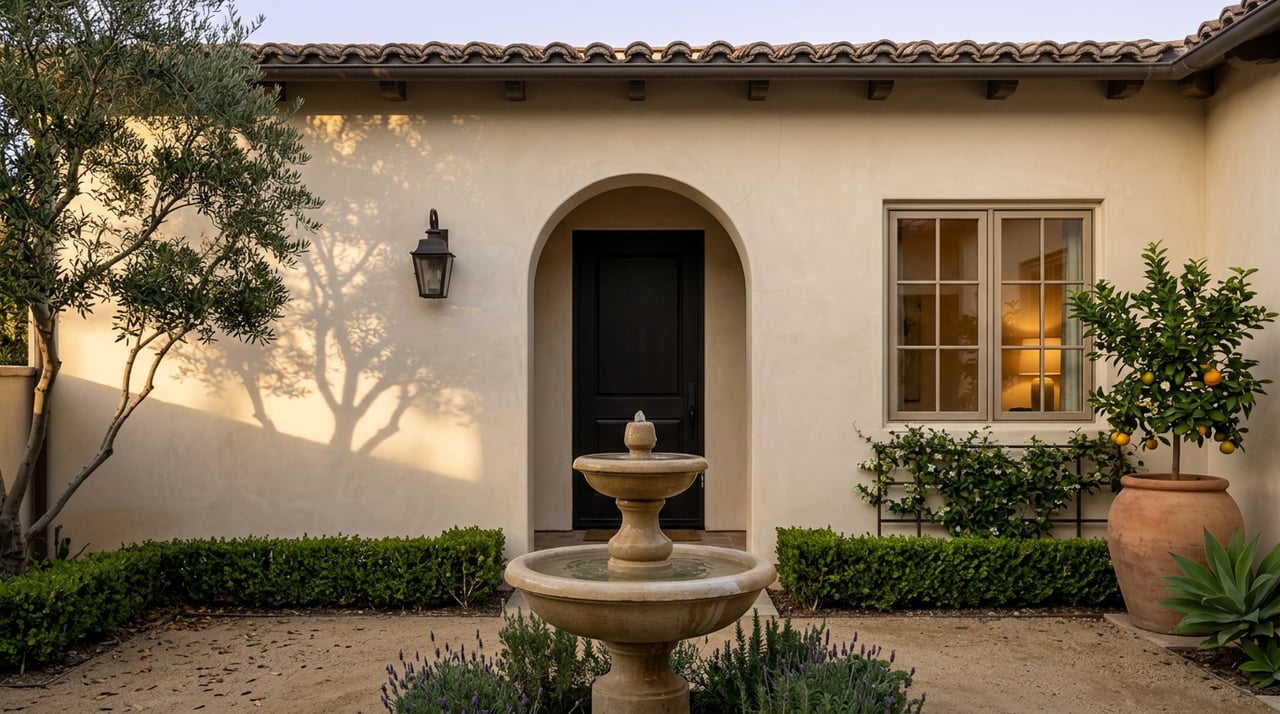
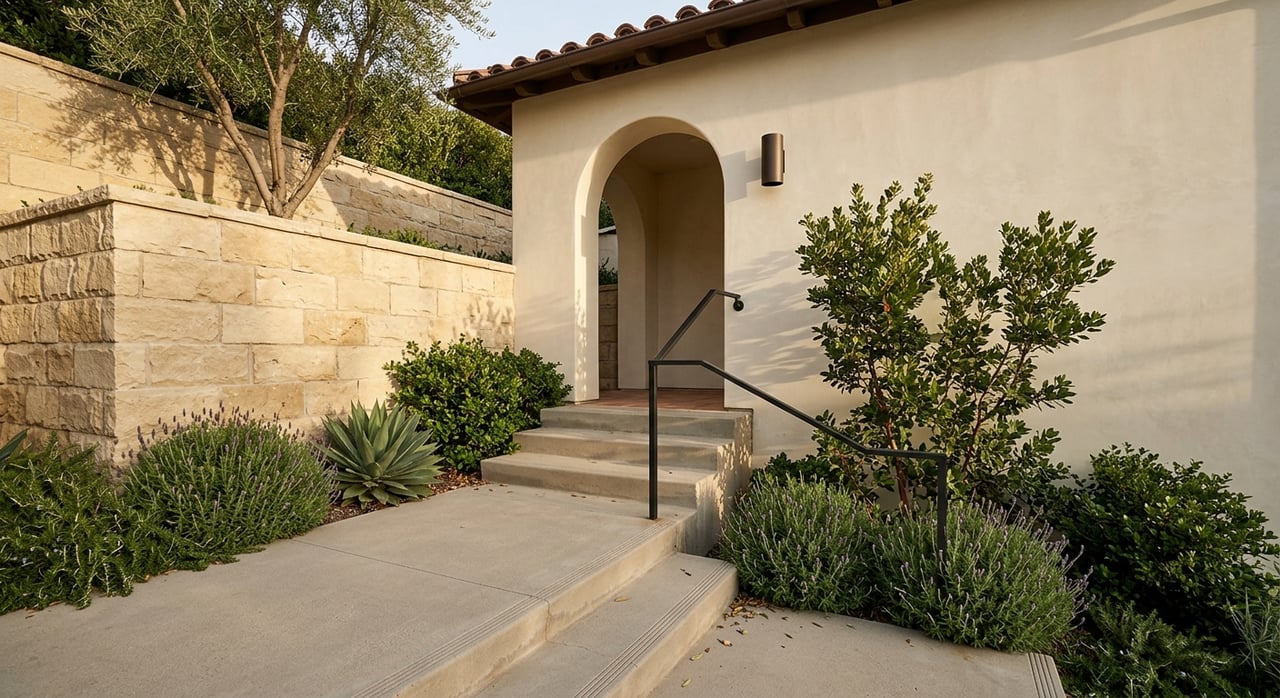
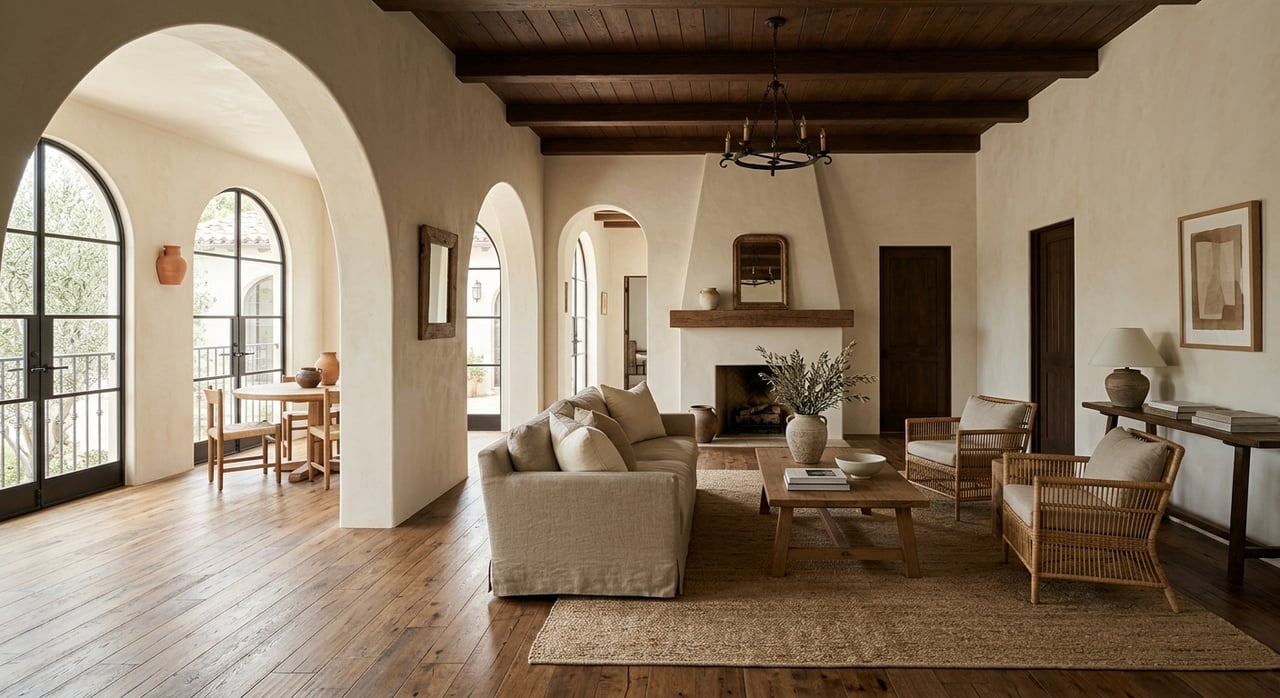
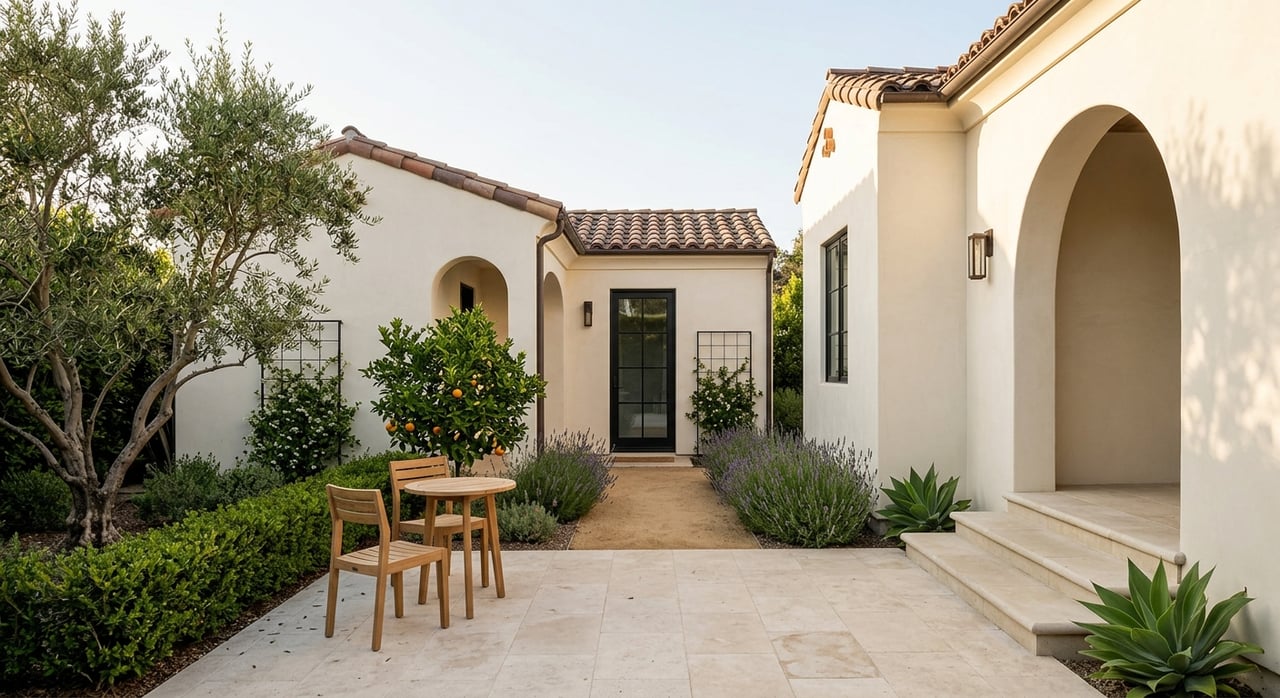
- Hallmarks: stucco walls, red clay tile roofs, arched openings, decorative tile, and either entry or interior courtyards with a strong indoor‑outdoor flow. The city’s guide to Mediterranean and related revivals shows the range of forms and features in LA’s housing stock. Explore the Mediterranean and Indigenous Revival Architecture guide.
- Buyer notes: clay tile roof work is specialized and can cost more than asphalt. Stucco patching should match texture and color to avoid a patchwork look. Courtyard homes are desirable but sometimes have irregular room shapes or older plumbing that merit a close look.
Midcentury Modern
- Where and when: scattered postwar examples appear in and around Highland Park and adjacent Garvanza, including hillside homes. A local snapshot of inventory confirms the presence of midcentury properties in the area. See this regional context in Pasadena Now’s feature on a midcentury haven in Garvanza.
- Hallmarks: open plans, large glass areas, and shallow or flat roofs that connect interiors to patios and views.
- Buyer notes: original windows and door systems are part of the appeal and can be costly to replace. Many buyers focus on targeted upgrades that improve comfort without erasing character, such as insulation and HVAC. LADWP lists current attic insulation rebates, which can help offset energy improvements.
Victorian, Tudor, and Period Revival
- When built: late 19th to early 20th century, with ornate trim and more formal room sequences.
- Hallmarks: bay windows, steep gables on Tudor variants, decorative woodwork, plaster walls, and higher ceilings. The HPOZ Preservation Plan outlines these character‑defining features for Highland Park.
- Buyer notes: finishes often require specialist carpentry and plaster repair. Systems like wiring and plumbing may be older, so plan for modernization where needed and confirm past work is properly documented.
HPOZ, permits, and exterior changes
If the property is inside the HPOZ, exterior changes and some visible site work may require review. That includes window replacements, roofing material changes, porch alterations, and front‑yard hardscape. Start by confirming the property’s status and past permits. Use the city’s portal for zoning and permit resources, then pair that with your agent’s review of the HPOZ guidelines linked above.
Due diligence checklist for older homes
Structural and seismic basics
- Many older Highland Park homes are wood‑frame on raised foundations with crawl spaces. In strong earthquakes, unbolted houses with weak cripple walls are vulnerable. The state’s Earthquake Brace + Bolt program offers grants for common single‑family retrofits. Learn how the EBB program works.
- Action: ask for retrofit records or engineer notes. If not upgraded, budget for bolting and bracing and include it in your inspection contingency.
Electrical capacity and insurance
- Older wiring types, like knob‑and‑tube, can be a concern for lenders and insurers. Upgrading to modern panels and circuits often improves safety and insurability.
- Action: order a licensed electrician’s inspection and request written estimates for any rewiring or panel changes before you remove contingencies.
Plumbing and sewer
- Many older homes used galvanized supply lines and clay or cast‑iron sewer laterals. Galvanized pipes corrode inside and can restrict flow over time. Here is a helpful primer on why galvanized pipe is a costly problem.
- Action: schedule a sewer camera scope and ask for repipe and sewer repair invoices or permits if work was done.
Environmental hazards and disclosures
- If the home was built before 1978, federal law requires specific lead disclosures. Buyers also receive an EPA pamphlet that explains your rights and testing options. Review the EPA lead disclosure fact sheet.
- Asbestos can be present in some older building materials. Testing is buyer‑directed and is smart to do before a major remodel.
- Action: request the full statutory disclosure package early and factor in testing and abatement by certified pros if you plan heavy renovation.
Pest and termite
- Termites and other wood‑destroying insects are common in Southern California. A WDI inspection is a separate report and often advised in addition to the general home inspection.
- Action: order a WDI inspection and ask for prior treatment records and any structural repair permits.
Roofs, stucco, and exterior care
- Clay or concrete tile roofs last longer but usually cost more to repair or replace than asphalt shingles. Local quotes vary by size and complexity. See typical ranges for LA in this roof replacement cost guide.
- Stucco cracks on Spanish and Mission homes can conceal moisture issues if not sealed and flashed correctly. The city’s Mediterranean‑style guide offers context for appropriate detailing.
- Action: have a roof specialist inspect age and underlayment condition, and include exterior envelope findings in your negotiation plan.
Unpermitted work and records
- Unpermitted additions or conversions can create problems for appraisals, financing, and future permits. Confirm the house’s permit history and code status, and remember HPOZ review can apply to exterior changes.
- Action: pull the parcel profile and permit records through the city’s zoning and permit resources. If you find open or missing finals, resolve them with the seller or adjust price and terms.
Renovation planning by style
- Craftsman bungalow: plan for careful restoration of wood windows, trim, and built‑ins. Kitchens and baths may need smart reconfiguration to add function while keeping period details.
- Spanish and Mission: set aside funds for tile roof work and stucco repair, and verify courtyard drainage and grading.
- Midcentury modern: focus on performance upgrades that preserve original lines and glass where possible. Consider LADWP insulation rebates to offset comfort improvements.
- Victorian, Tudor, period revival: expect specialist carpentry and plaster. Verify that any prior exterior work aligns with HPOZ guidance.
General budget notes to discuss with your contractor:
- Roof work: asphalt shingle to clay tile can range from lower five figures into higher ranges based on size and complexity. The LA roof cost guide provides directional numbers.
- Seismic: basic brace and bolt retrofits are common for raised‑foundation homes. Confirm scope and pricing after a site visit.
- Systems: plan allowances for electrical upgrades, repiping, and sewer repairs on older homes.
- Contingency: many buyers set aside 10 to 20 percent of project costs to handle unknowns.
How to shop smart: a simple plan
- Confirm overlays and permits. Use the city’s zoning and permit resources to check HPOZ status and retrieve permit history.
- Book inspections together. Schedule a general inspection, WDI, electrician review, sewer camera, and structural check for raised foundations or hillside sites.
- Request disclosures early. Ask for the full statutory package and the EPA lead disclosure fact sheet for pre‑1978 homes.
- Protect your contract. Include inspection and permit contingencies, and add an HPOZ review contingency if the property is within the overlay.
- Plan your budget. Line up seismic, roof, electrical, plumbing, and a general renovation cushion. If eligible, explore Earthquake Brace + Bolt grants.
A local partner for character homes
Buying a character home is part architecture tour and part due diligence. With the right plan, you can protect what you love and invest wisely. If you want a calm, consultative process with clear next steps and local HPOZ know‑how, reach out to The Kinkade Group for a personalized game plan tailored to your goals.
FAQs
What is the Highland Park HPOZ and how does it affect exterior updates?
- The Highland Park–Garvanza HPOZ sets design guidelines and review for many visible exterior changes; check your property’s status and the HPOZ overview before planning windows, roofing, porches, or front landscaping.
Which inspections should I order for an older Highland Park home?
- Book a general inspection, WDI termite report, licensed electrician inspection, sewer camera scope, and a structural review for raised foundations or hillside sites.
Do clay tile roofs on Spanish Revival homes change the budget?
- Yes; tile and underlayment work is specialized and usually pricier than asphalt shingles, so plan a larger roof allowance and review this LA roof cost guide for ballpark ranges.
How common are midcentury homes in Highland Park?
- They are present in scattered pockets and nearby Garvanza, often as hillside or later infill homes; see a local example in Pasadena Now’s midcentury feature.
How do I check for unpermitted work on a character home?
- Pull the parcel’s zoning and permit records through the city’s zoning and permit resources, look for open or missing finals, and make resolution part of your negotiation.
Are there grants for earthquake retrofitting in Los Angeles?
Why are galvanized pipes a concern in older homes?
- Galvanized supply lines corrode internally and can restrict water flow; review this overview on galvanized pipe issues and consider a repipe if present.
What energy upgrades make sense for midcentury houses?
- Start with insulation and HVAC improvements that preserve original glass and lines; check LADWP insulation rebates to help offset costs.