Getting Older San Gabriel Homes Ready To Sell
May 21, 2026
May 21, 2026
If you own an older home in San Gabriel, you may be asking the right question at the right time: what should you fix before you sell, and what should you leave alone? In a city where much of the housing stock is decades old, buyers often expect charm, but they also notice deferred maintenance fast. The good news is that you do not need to gut your house to make a strong impression. With the right prep, you can highlight character, reduce buyer concerns, and bring your home to market with confidence. Let’s dive in.
San Gabriel has a notably older housing stock. According to the city’s 2021-2029 housing report, 52.3% of housing units are more than 60 years old, and the largest share of homes was built in the 1940s. That matters because older homes often come with more wear, more maintenance history, and more questions from buyers.
At the same time, San Gabriel remains a competitive market. Redfin reported a March 2026 median sale price of $1,275,000, median days on market of 34, and a market where about half of homes sold above list price. In other words, demand is there, but buyers still compare condition, presentation, and perceived risk.
That is why selling an older home here is usually about smart preparation, not maximum renovation. Your goal is to show that the home has been cared for, that key issues have been addressed, and that its original character is a strength rather than a project.
Before you spend money on cosmetic upgrades, get clear on the home’s current condition. For older properties in San Gabriel, a pre-listing inspection or licensed contractor walk-through can help you spot issues with roofing, drainage, moisture, and past structural changes before buyers do.
This step is especially useful in San Gabriel because the city notes local structural amendments tied to its seismic zone. If your home has had changes over the years, such as an addition, a wall removal, or an enclosed patio, it is wise to review what was done and whether records match the work.
A pre-listing review helps you make decisions from a position of knowledge. Instead of reacting to surprises during escrow, you can choose what to repair, what to disclose, and how to price and market the home more strategically.
Focus on the issues that tend to raise buyer concern quickly:
For older homes, permit questions can slow down a sale if they come up late. The City of San Gabriel says planning approval is usually required before a permit, and permits may be obtained by the property owner or a licensed contractor. The city also provides checklists for single-family residential work.
That means you should try to gather documentation for any major changes made over time. Additions, converted spaces, wall removals, patio enclosures, and other visible alterations are the first areas buyers and their inspectors may question.
If you have plans, permits, or final sign-offs, organize them early. If you do not, your agent can help you think through how that affects pricing, disclosures, and your go-to-market strategy.
One of the biggest mistakes older-home sellers make is spending on finishes while leaving obvious repair issues untouched. Buyers tend to forgive an older bathroom more easily than an active leak, peeling paint, or a sticking front door.
Start with function and condition first. If something looks neglected or creates uncertainty, it can overshadow everything else in the house.
These updates usually deserve attention before any major style changes:
According to NAR’s 2025 Remodeling Impact Report, new roofing was among the projects most often recommended before a sale. The same report also showed strong seller-side interest in whole-home paint and exterior improvements, which supports a practical, visible-prep approach.
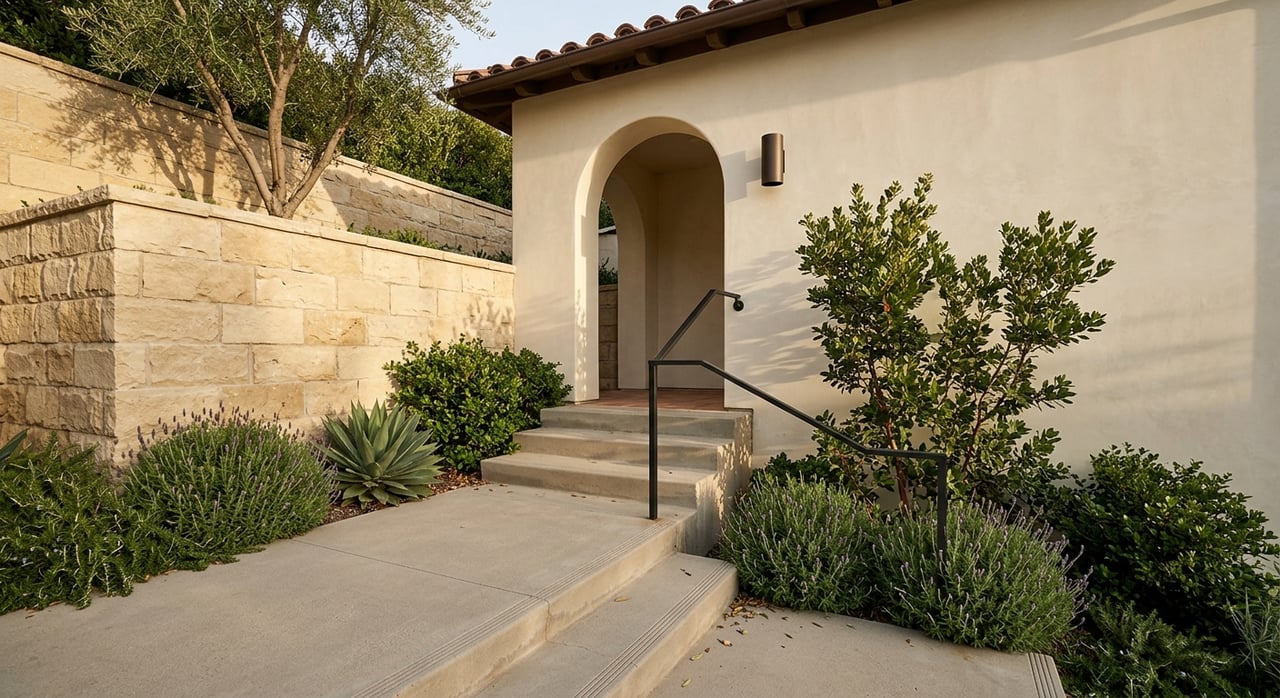
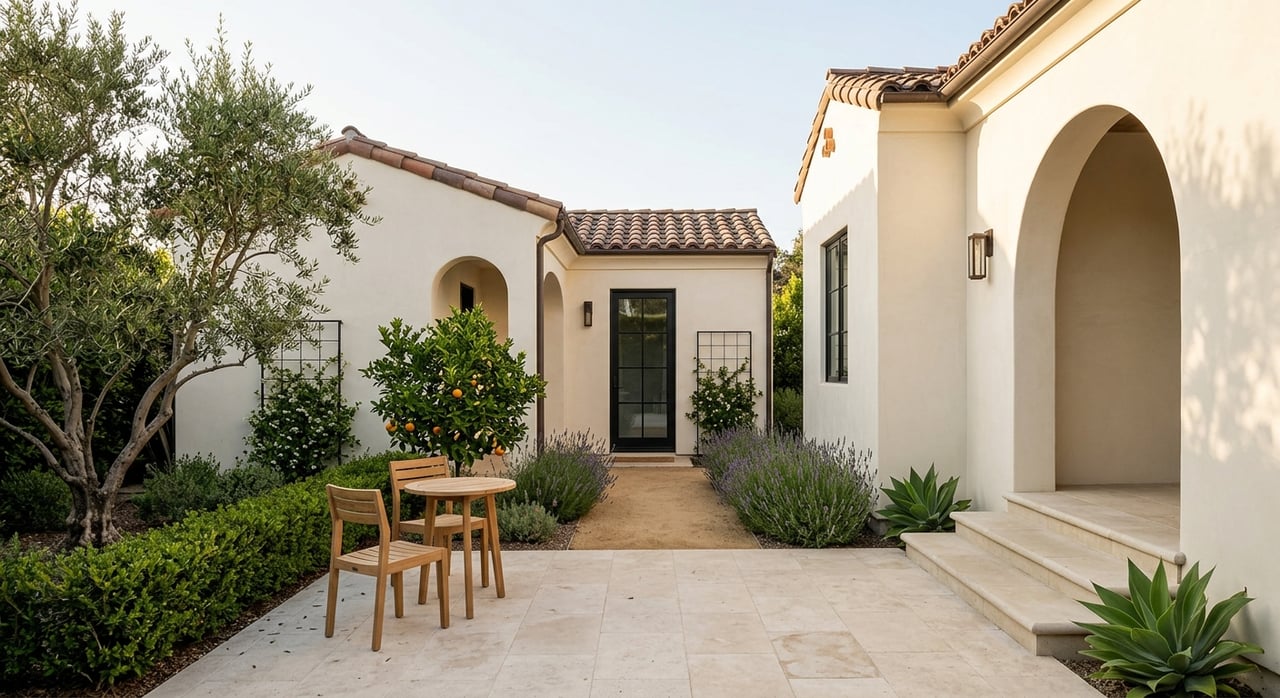
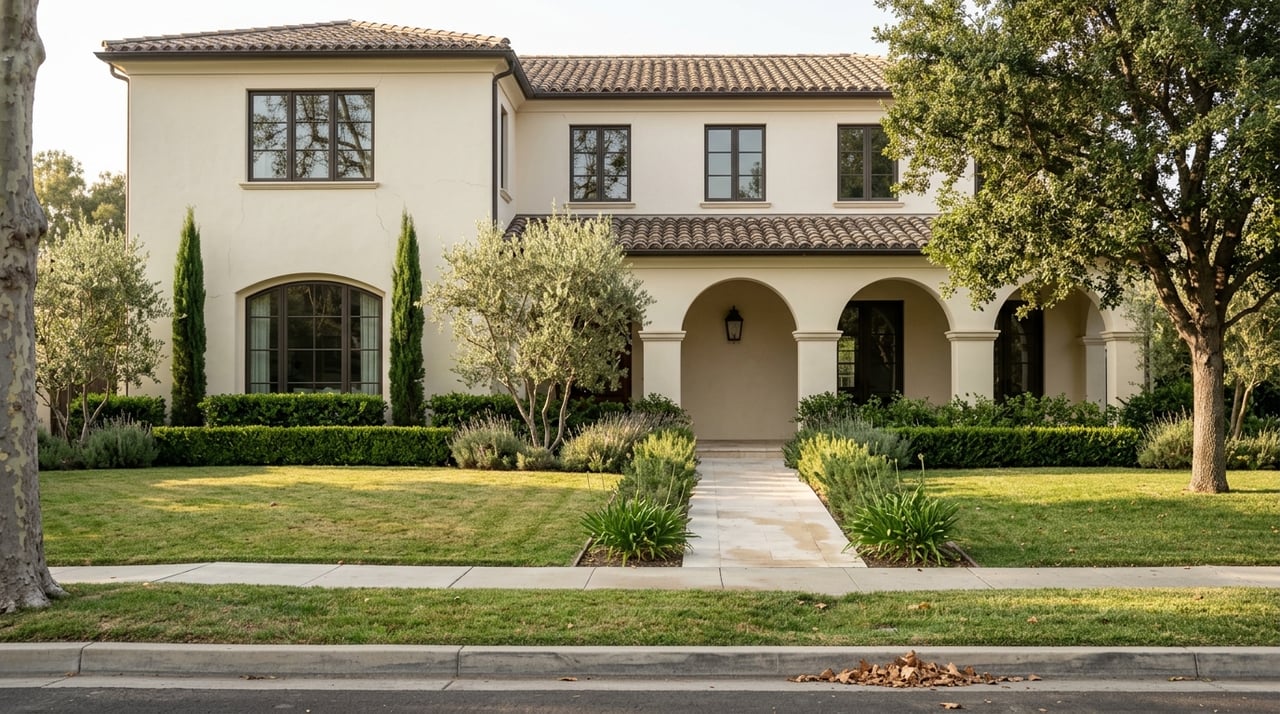
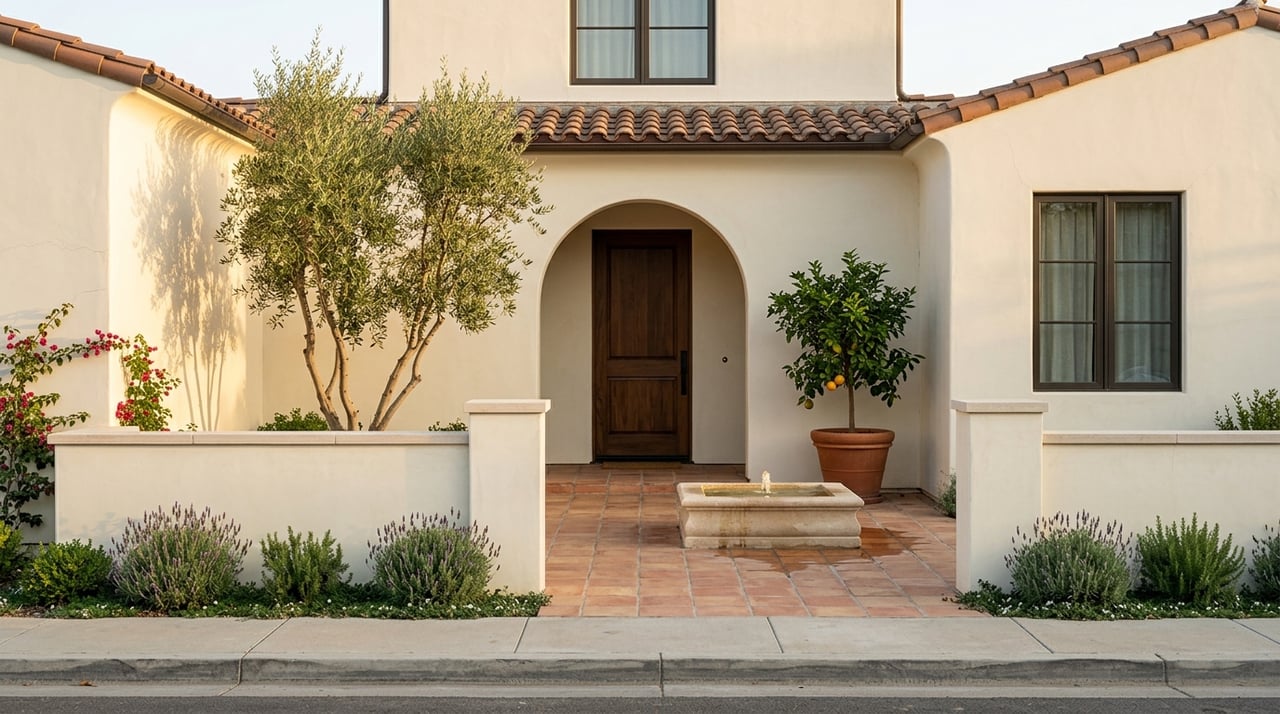
For many older San Gabriel homes, the exterior does the heaviest lifting. Buyers form an opinion before they walk inside, and the city’s design and preservation materials emphasize well-kept streetscapes, architectural heritage, and garden character.
That makes exterior presentation especially important here. You want the house to feel cared for, welcoming, and consistent with its original style.
In many cases, the best exterior improvements are also the simplest:
NAR’s 2025 report found strong cost recovery and appeal in projects like a new steel front door, exterior paint, garage door updates, and roofing. For an older San Gabriel home, these visible improvements often do more for buyer confidence than a large interior remodel.
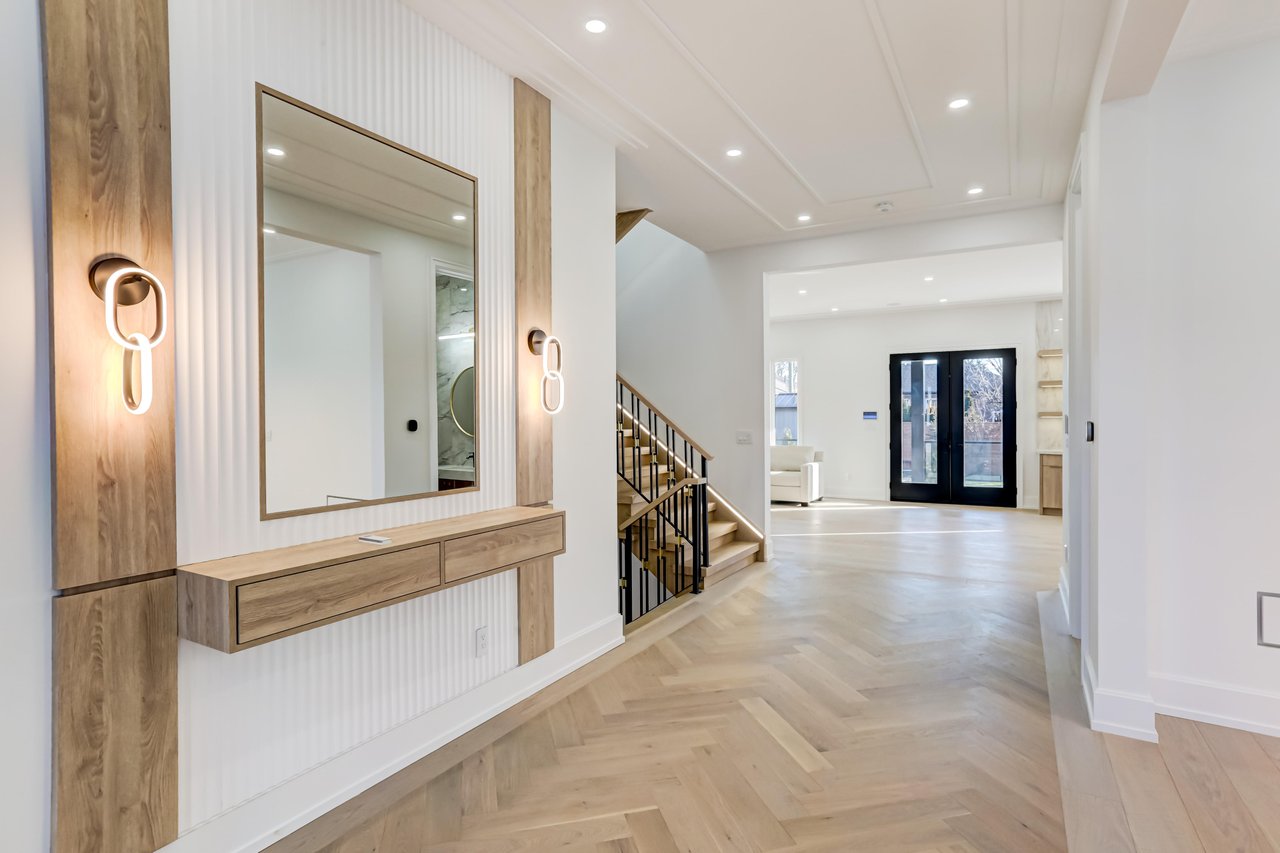
Inside the home, buyers usually respond best to clean, bright, and move-in-ready presentation. That does not mean your home needs to look brand new. It means visible wear should not distract from the layout, light, or charm.
The most effective interior prep often includes paint, patching, fixture updates, and flooring repairs. These changes can make an older home feel refreshed without stripping away its personality.
Consider prioritizing:
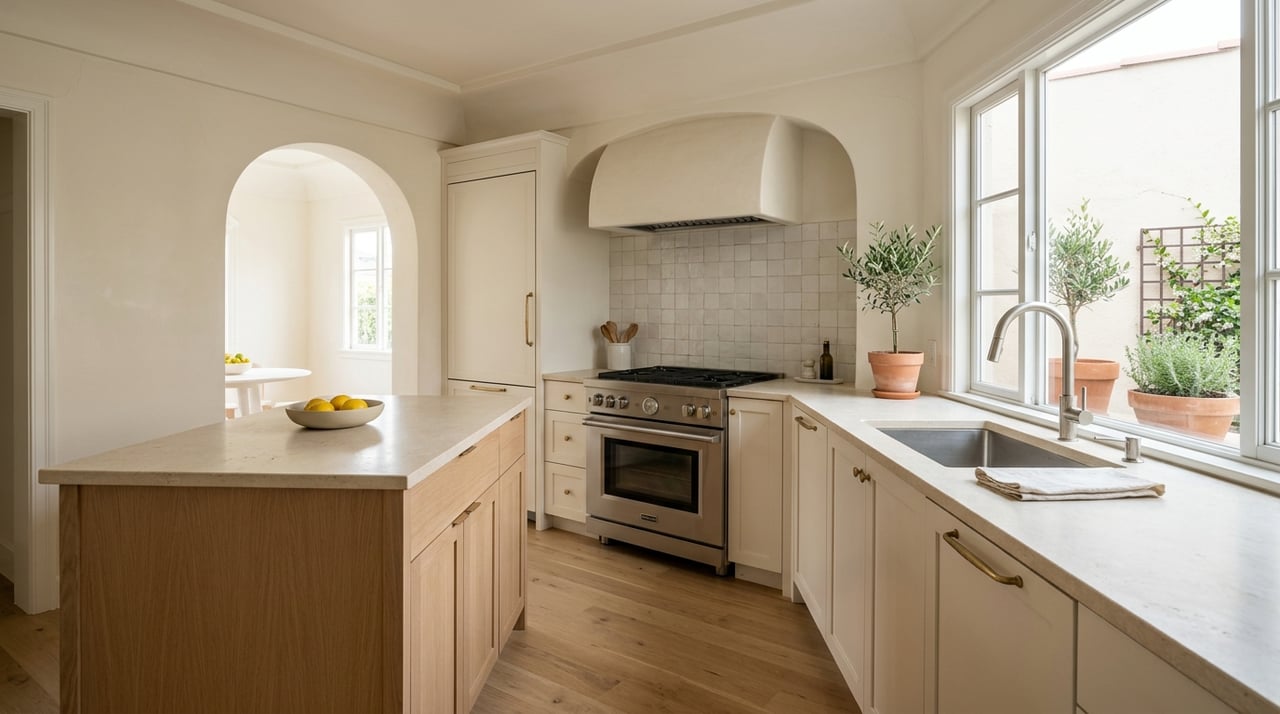
NAR’s report points to strong interest in painting the entire interior, along with selective bathroom and kitchen improvements. The key is not to overbuild for the market. Fix what looks worn, improve what feels dated, and skip expensive custom choices that may not return their cost.
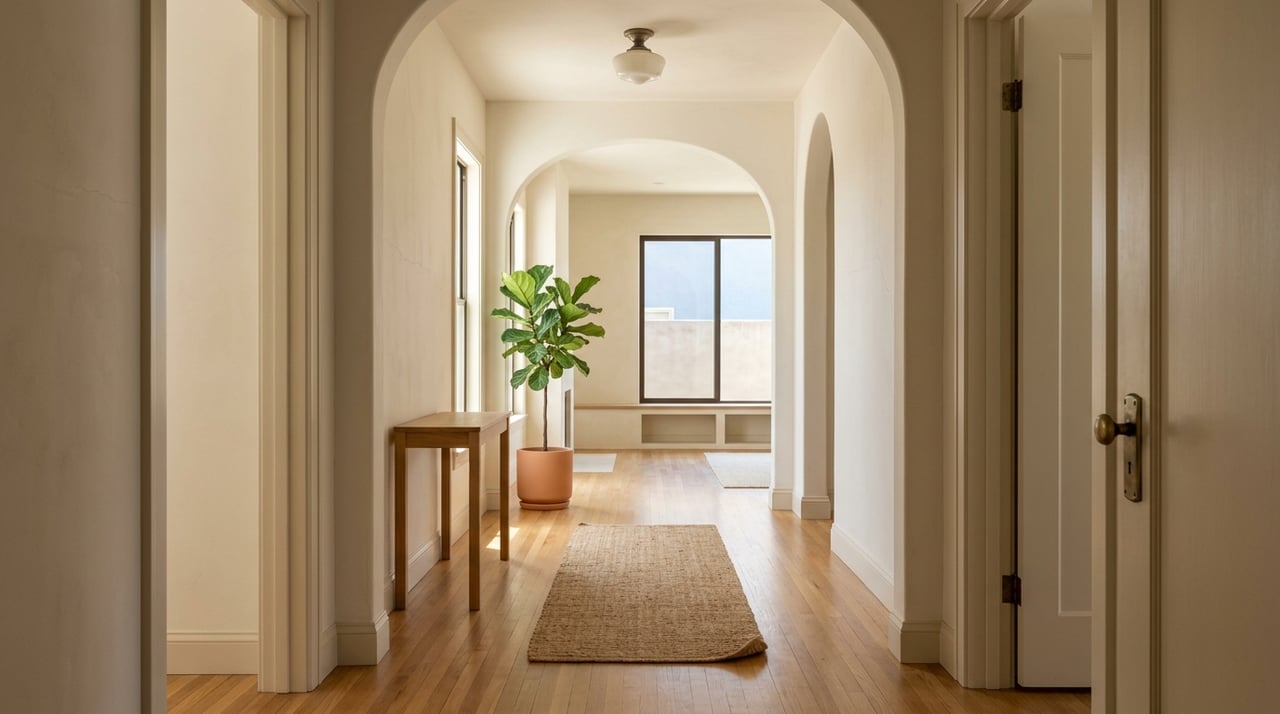
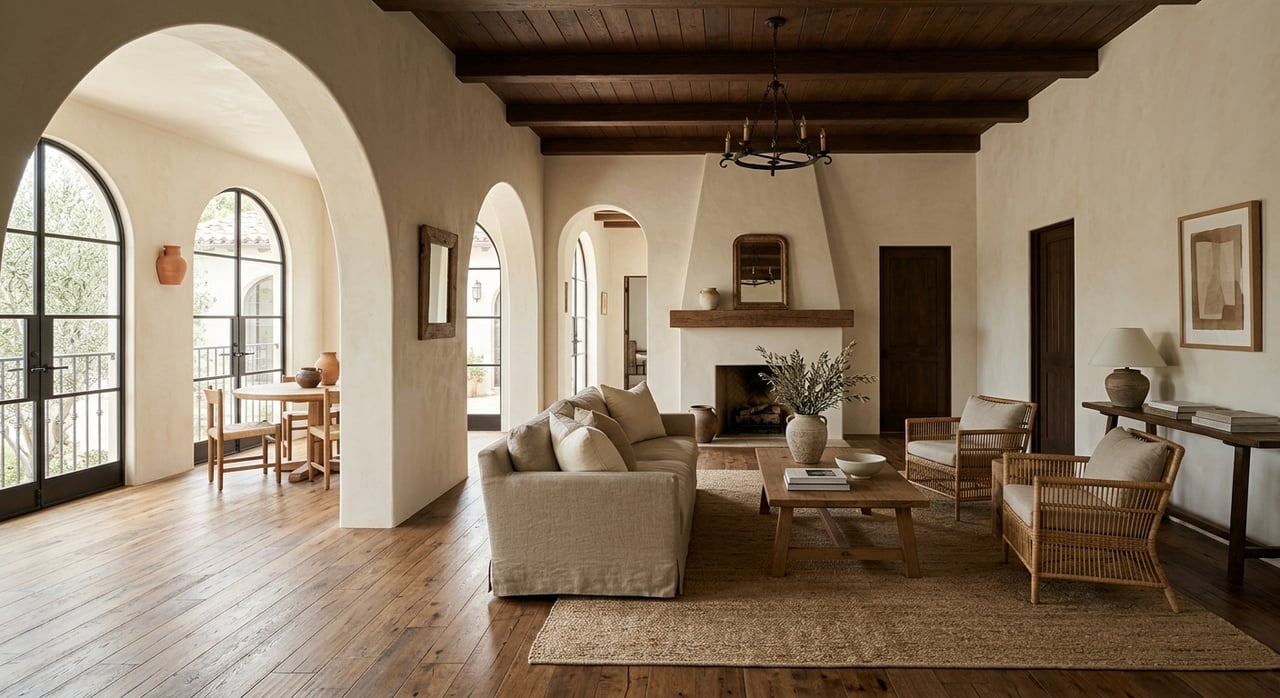
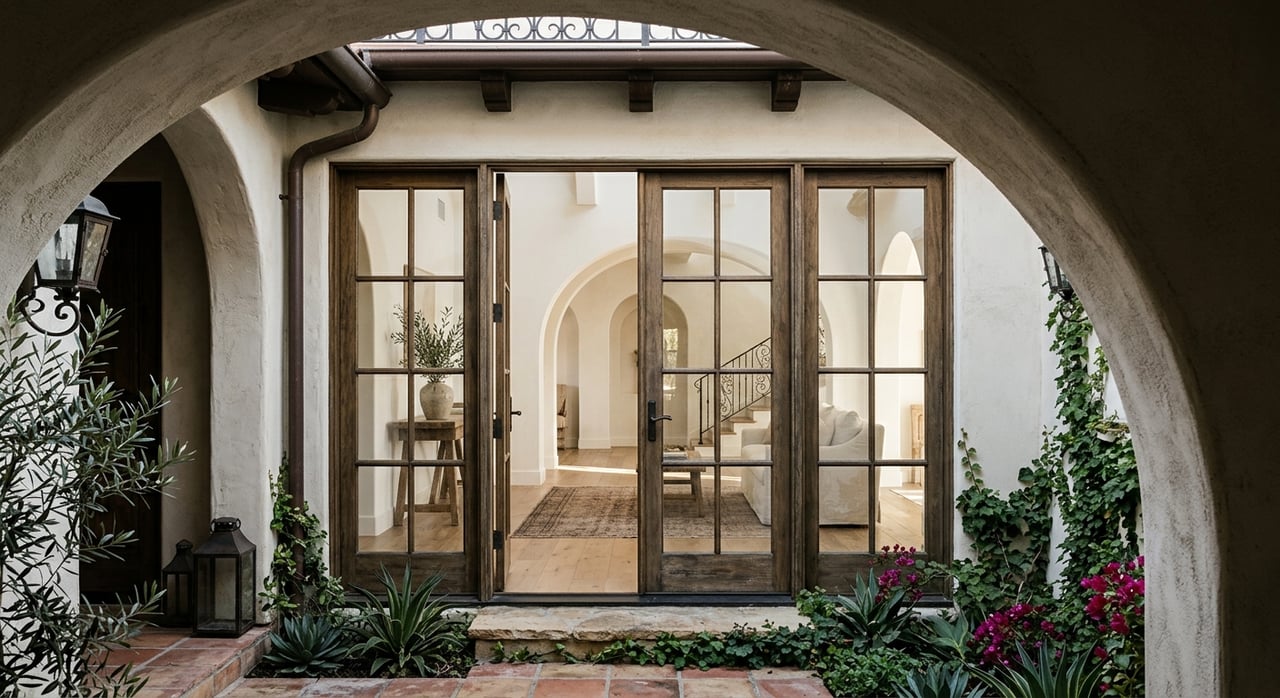
In San Gabriel, older-home charm is not a drawback when it is presented well. The city’s preservation materials highlight architectural heritage, neighborhood character, and a historic context that includes the post-World War II era through 1980. That makes original details in older and mid-century homes locally relevant.
If your home still has hardwood floors, built-ins, millwork, porch details, or other period elements in good condition, think carefully before removing them. Those features can help your home stand out, especially when they feel intentional and well maintained.
The better strategy is usually balance. Repair what is damaged, clean and polish what is original, and let buyers see the home’s history without feeling like they are inheriting unfinished work.
California sellers should be prepared for a standard disclosure package. The California Department of Real Estate says the Transfer Disclosure Statement covers the physical condition of the property and potential hazards or defects. State law also requires Natural Hazard Disclosure for mapped hazard areas, including flood, dam inundation, fire hazard, wildland fire, earthquake fault, and seismic hazard zones.
For older homes, gathering disclosure information early can make the listing process smoother. It also helps you avoid rushed decisions once you are already on the market.
If your home was built before 1978, there may also be lead-related disclosure requirements if you have known lead-based paint hazards. Federal law also requires an EPA/HUD lead pamphlet in those situations, and paid renovation, repair, or painting work that disturbs painted surfaces in pre-1978 homes must be done by certified firms using lead-safe work practices.
This does not mean every older home has the same lead concerns. It means the issue should be reviewed based on your specific property, age, and history of improvements.
When sellers prepare an older home, it is easy to think more renovation means more value. In reality, large custom remodels often cost more than they return, especially if they do not solve a visible problem or fit buyer expectations for the area.
In San Gabriel, a more effective seller story is often this: the home has been maintained, the important issues are addressed, the paperwork is in order, and the original character has been respected. That combination can feel more credible to buyers than a flashy remodel layered over unresolved basics.
A calm, strategic prep plan also helps you protect your timeline and budget. Instead of trying to remake the house, you focus on making it market-ready.
If you want a simple way to prioritize, start here:
Selling an older home in San Gabriel is not about erasing its age. It is about showing buyers that the home’s condition, history, and character have all been handled with care.
If you are thinking about selling and want a clear plan for what to fix, what to skip, and how to position your home in today’s market, The Kinkade Group can help you build a thoughtful, property-specific strategy.
Stay up to date on the latest real estate trends.
I am committed to guiding you every step of the way—whether you're buying a home, selling a property, or securing a mortgage. Whatever your needs, I've got you covered.
THE KINKADE GROUP | CA DRE# 01811027
680 E. Colorado Blvd #400 Pasadena, CA 91101