San Marino vs South Pasadena Lifestyle Comparison
February 12, 2026
February 12, 2026
Trying to choose between San Marino and South Pasadena for everyday life? You are not alone. These two San Gabriel Valley neighbors sit minutes from each other, yet the rhythm of daily living feels very different. In this guide, you will see how housing, walkability, parks, schools, dining, and commuting compare so you can decide what fits your lifestyle. Let’s dive in.
San Marino and South Pasadena are small residential cities just east of Pasadena. Both are known for tree-lined streets and strong civic pride. The difference shows up in scale and texture.
Both attract families and professionals. If you like data, use U.S. Census QuickFacts for the latest population and household details.
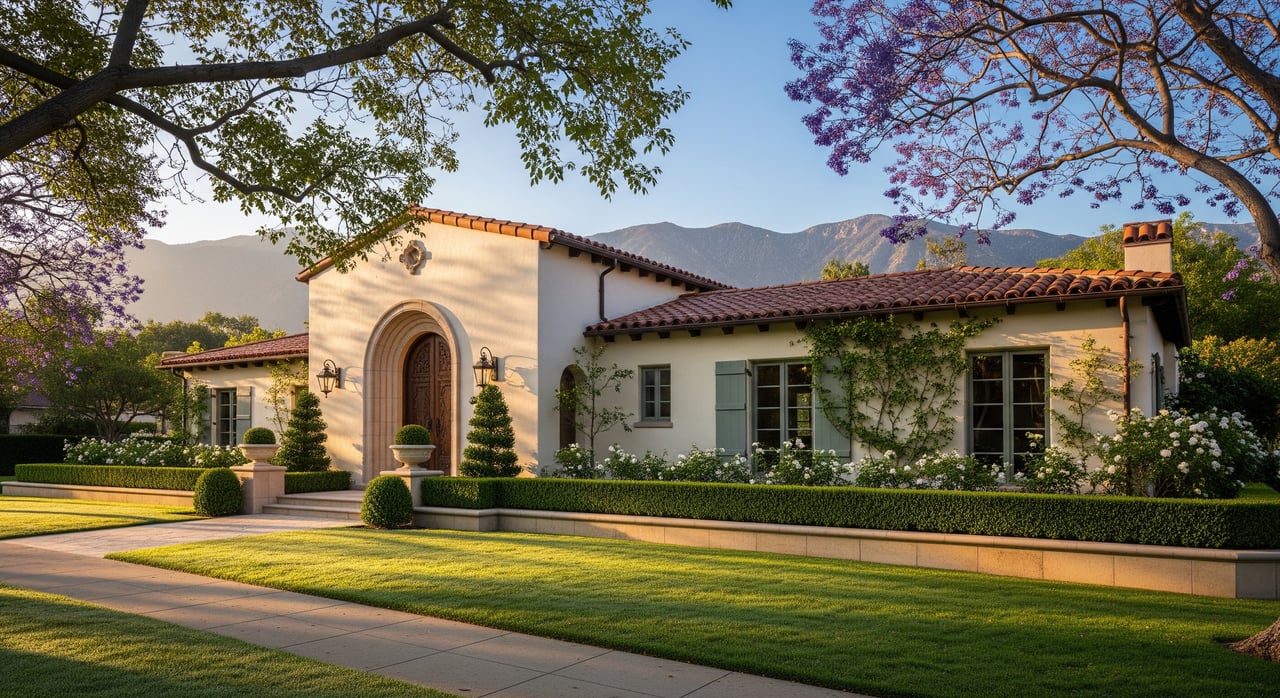
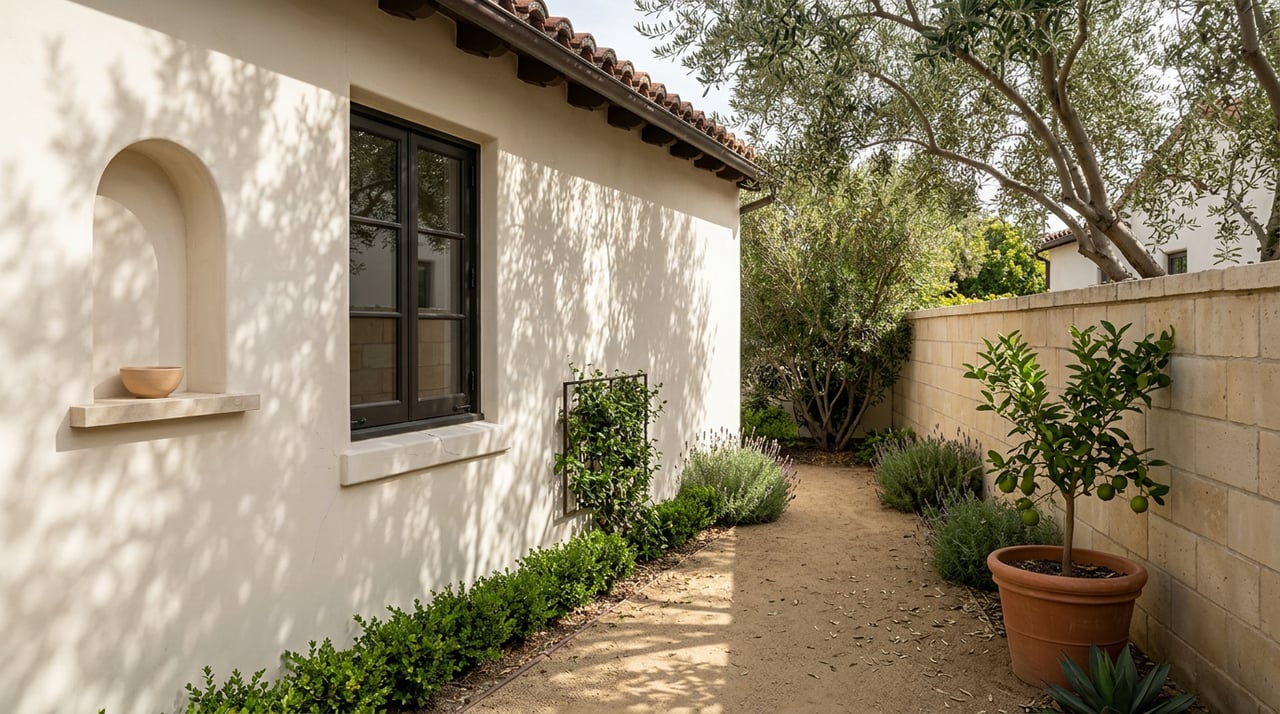
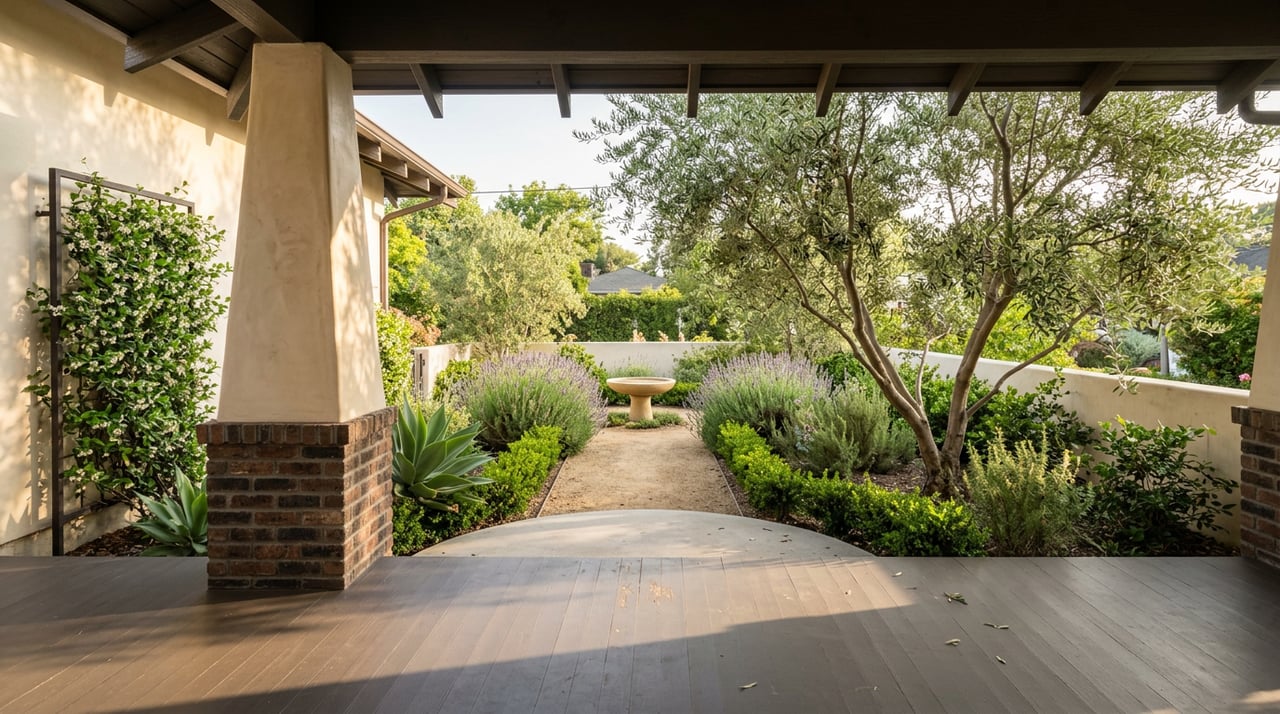
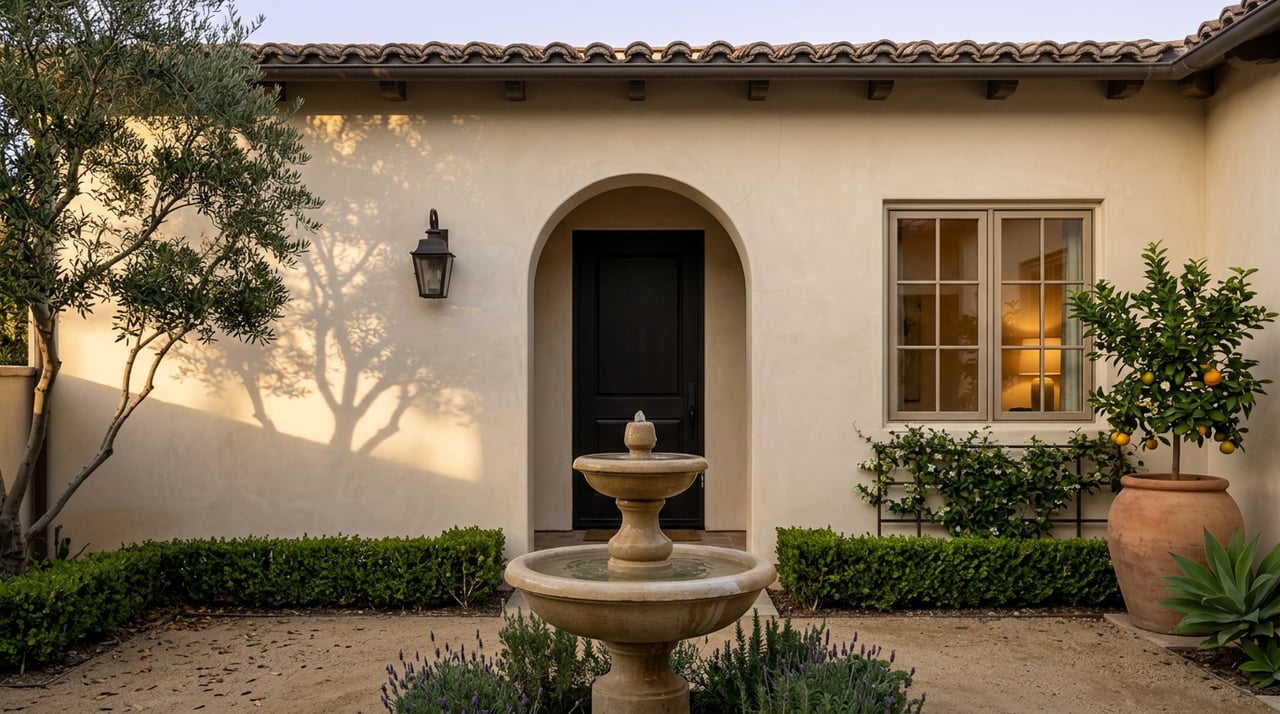
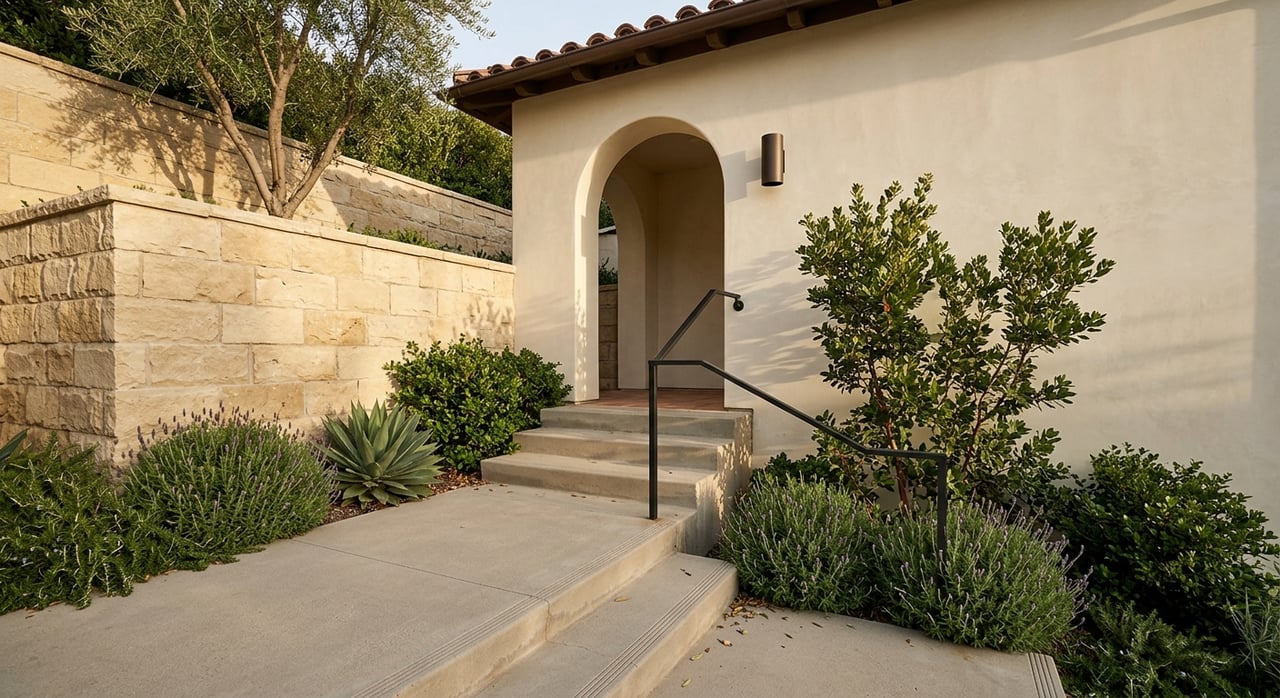
San Marino is dominated by single-family houses on larger lots. You will see Mediterranean and Spanish Revival, Tudor, and other period styles. Zoning is strongly single-family, and new multi-unit development is rare due to preservation priorities and neighborhood review.
What that means for daily life: you get space, privacy, and calm streets. You also get fewer walkable commercial choices inside city limits, so most errands are a short drive.
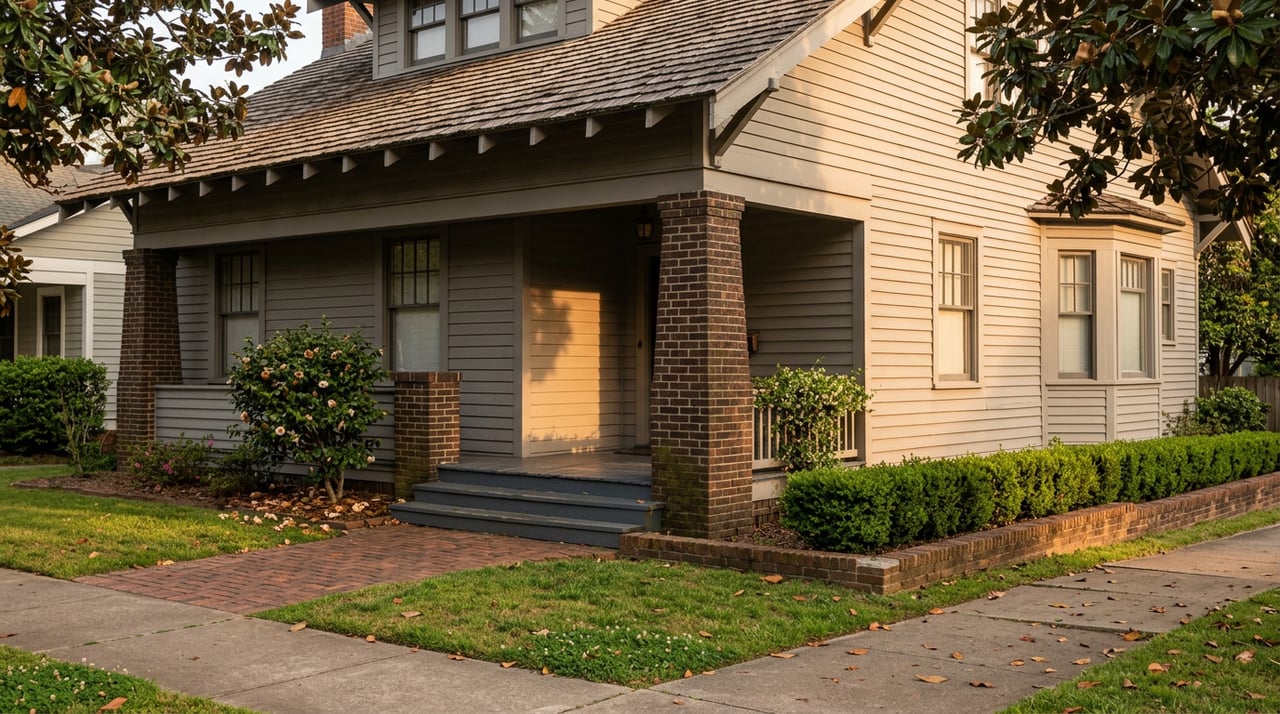
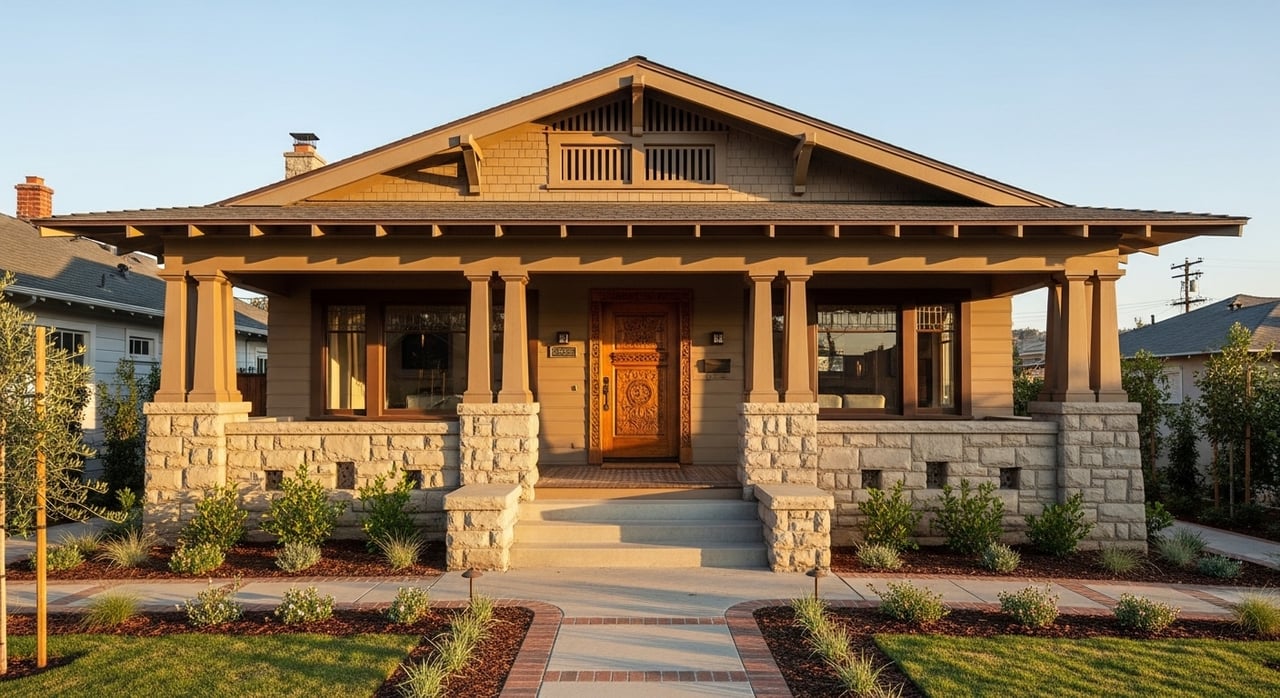
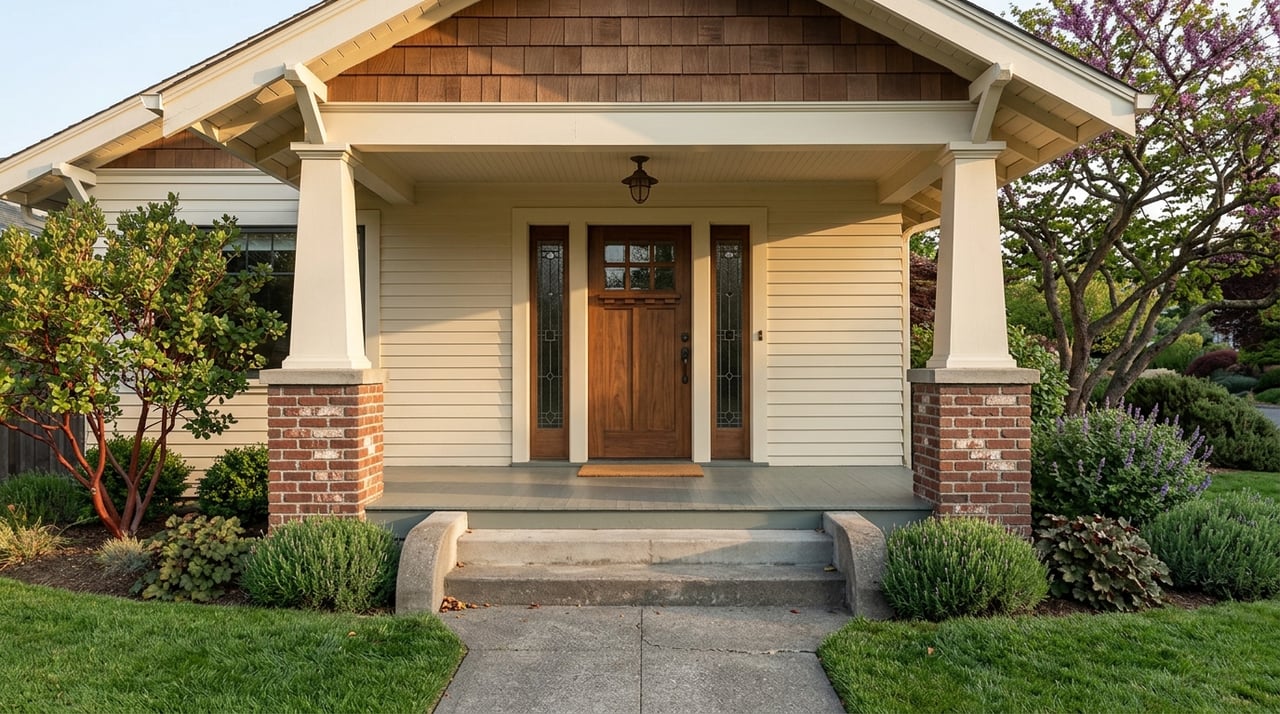
South Pasadena offers Craftsman bungalows, Spanish Revival homes, modest mid-century houses, and newer condos and townhomes. Lots are smaller on average than in San Marino. Low- to mid-rise mixed uses along Mission Street and nearby corridors place homes close to cafes, shops, and services.
What that means for daily life: more options at different price points, more turnover, and more chances to live within walking distance of daily needs.
If you want a strong main street feel, South Pasadena usually wins. If you want yard space and quiet streets, San Marino often fits better.
San Marino is home to the Huntington Library, Art Collections and Botanical Gardens, a major regional cultural treasure with world-class gardens, research resources, and public events. You can learn more at the Huntington’s official site. Lacy Park is a beloved neighborhood park for strolling, picnics, and informal sports.
Community programming tends to center on park life, neighborhood associations, and institutional events tied to the Huntington.
South Pasadena features Garfield Park and several neighborhood parks that support youth sports, playgrounds, and recreation classes. The city also enjoys proximity to the Arroyo Seco for trails and outdoor recreation.
Street-level civic life is visible, especially around Mission Street. The city hosts longstanding community events, including an annual Fourth of July parade and seasonal festivals that add to a small-town feel.
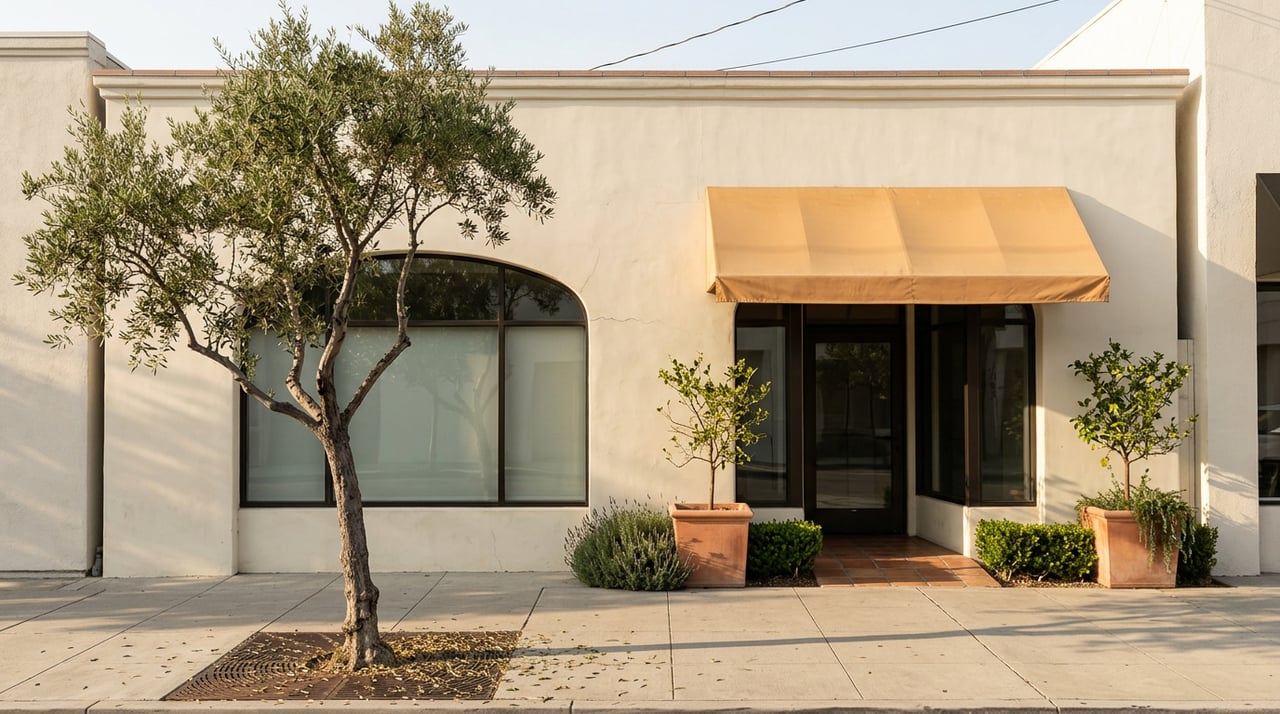
Mission Street concentrates independent restaurants, coffee shops, local grocers, and services with pedestrian-friendly storefronts. Evening options trend casual, and the energy of a true neighborhood center is part of the draw.
Commercial activity is more scattered in San Marino, largely along Huntington Drive and small neighborhood nodes. You will find everyday services and a few restaurants. For broader dining, museums, theaters, and nightlife, residents commonly visit nearby Pasadena or Los Angeles.
South Pasadena has a Metro L Line light rail station, which offers a rail commute to Pasadena, Highland Park, and downtown Los Angeles. This reduces car dependence for some commuters. Explore service information on the LA Metro website.
San Marino does not have a rail station within city limits. The closest stations are in adjacent South Pasadena or Pasadena, which means a short drive, bike ride, or bus transfer to connect.
Both cities sit within typical commuting distance of central Los Angeles and regional job centers. Peak-hour drives to downtown LA often exceed 30 minutes and can reach 45 to 60 minutes or more, depending on traffic. Freeways and major arterials are close, but timing your route matters.
South Pasadena’s compact street grid and the Arroyo Seco corridor support more bike trips and off-street trail access. San Marino’s quieter residential streets are pleasant for recreational riding, though distances to rail hubs make active commuting less common.
Parking is typical for small cities. South Pasadena’s downtown has short-term customer parking and municipal lots near Mission Street. San Marino’s residential areas often provide ample curb parking. For permit or block-specific rules, consult the City of South Pasadena or City of San Marino municipal pages.
Both school districts are well regarded, with strong community support and consistent academic reputations. San Marino Unified is known for exceptionally high performance and resources. South Pasadena Unified is also highly regarded and community driven. Because data changes, verify details directly with each district.
A smart research plan:
Childcare and preschool options exist in both cities, but availability can be tight. Start inquiries early, especially for popular programs.
Both cities operate local police and municipal services suited to small residential communities. Public safety indicators typically compare favorably with many parts of Los Angeles County, though crime types and rates vary by neighborhood and over time. Each city maintains active planning and public works departments. In San Marino, historic preservation and local controls strongly influence development patterns and neighborhood character.
Civic engagement is notable in both places. South Pasadena’s commissions, neighborhood groups, and downtown events cultivate a visible small-town identity. San Marino has active homeowner associations and civic groups that prioritize preservation, landscaping, and collaboration with cultural institutions.
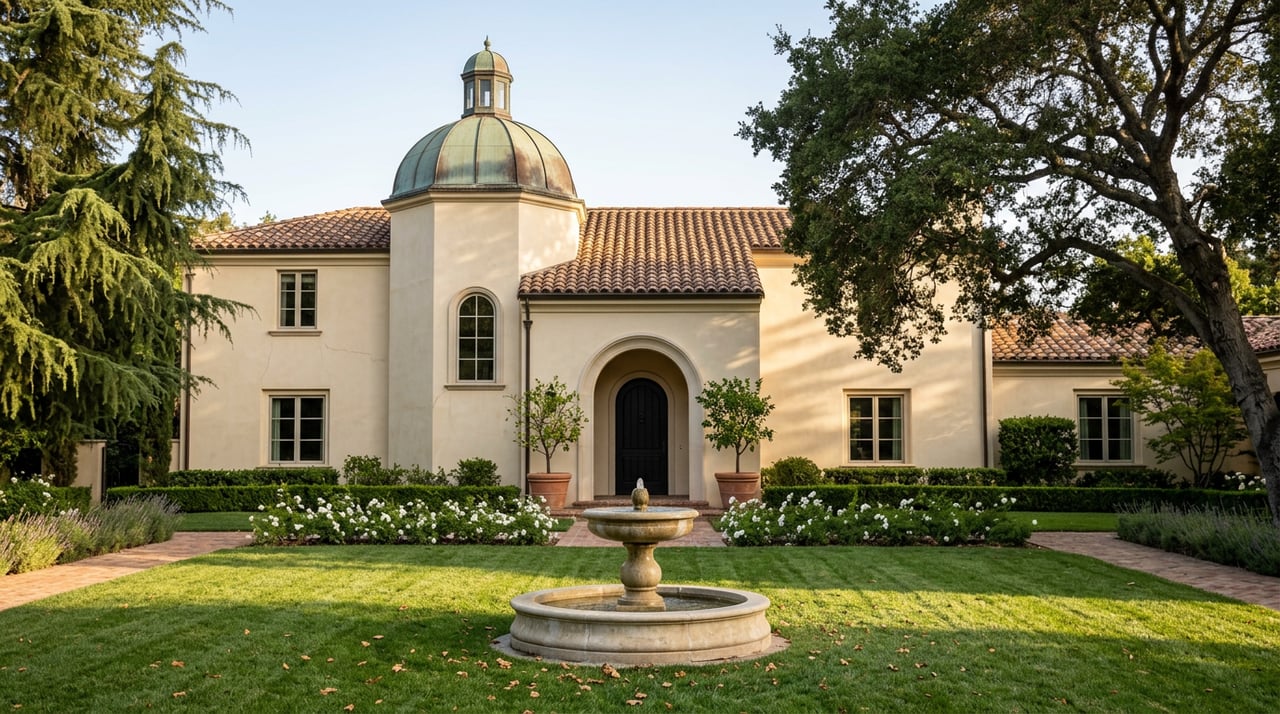
San Marino is one of the region’s most expensive enclaves. Homes often sit on larger lots and include historic estates, which contribute to premium pricing and long-term value for luxury buyers. South Pasadena is also high priced relative to the county median, yet it offers more housing variety, including bungalows, smaller single-family homes, and multifamily options that can be more accessible for young families.
Market conditions shift quickly. Compare recent median prices, days on market, and inventory across multiple real estate sources to understand current dynamics.
Use this checklist during tours so you can compare apples to apples.
When you are ready to compare specific neighborhoods and properties, a local, consultative approach makes the difference. If you want tailored guidance on schools, commute tradeoffs, and pricing, reach out to The Kinkade Group to schedule your personalized market consultation.
Stay up to date on the latest real estate trends.
I am committed to guiding you every step of the way—whether you're buying a home, selling a property, or securing a mortgage. Whatever your needs, I've got you covered.
THE KINKADE GROUP | CA DRE# 01811027
680 E. Colorado Blvd #400 Pasadena, CA 91101