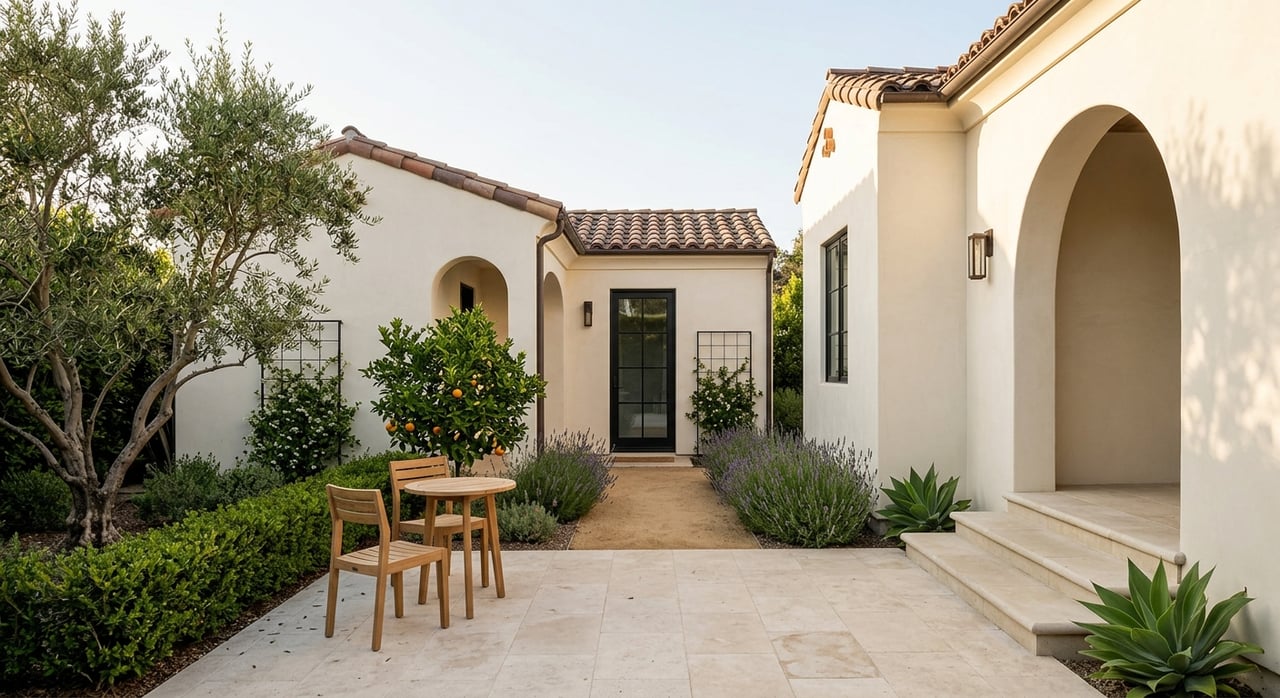
Selling A Glendale Home With An ADU: What Buyers Notice
June 11, 2026
June 11, 2026
If you are selling a Glendale home with an ADU, buyers will usually notice one thing before anything else: whether the space feels truly useful. An accessory dwelling unit can widen your buyer pool, but only when it reads as legal, private, functional, and easy to understand. In this market, that matters because Glendale buyers are moving quickly and looking for flexible living options that solve real life needs. Let’s dive in.
In Glendale, ADUs are not treated like a fringe housing idea. The City recognizes accessory dwelling units and junior accessory dwelling units as permitted residential uses on lots with existing homes, and review is handled ministerially under objective standards.
That matters when you sell because buyers tend to feel more confident when a feature is clearly part of the local housing landscape. Glendale also offers pre-approved standard ADU plans, which reinforces that these units are a normal and accepted part of the market.
For sellers, this creates an important opportunity. Your ADU is not just extra space in the backyard or above the garage. It can be a meaningful resale feature if you present it the right way.
Most buyers are not just counting square feet. They are asking whether the ADU functions like a real second living space.
In Glendale, the details that support that impression are practical and clear. Buyers will pay attention to separate access, a real kitchen, a bathroom, utility service, and a layout that feels independent from the main home.
If your ADU feels like a private retreat, guest quarters, or a flexible long-term living area, that usually lands better than a space that feels improvised. Even when finishes are simple, good function often matters more than flashy design.
Privacy is one of the first things buyers respond to during a showing. They want to know whether someone using the ADU can come and go easily and comfortably.
That is why an independent entrance matters so much. Buyers also notice sound separation, sight lines, and whether the ADU has its own sense of space rather than feeling like an overflow room attached to the main house.
A compact ADU can still make a strong impression when the floor plan is efficient. Buyers tend to respond well to spaces that feel open, bright, and easy to furnish.
Natural light, practical storage, and a layout that clearly defines sleeping, cooking, and living areas can make the unit feel more valuable. In contrast, an awkward conversion may leave buyers unsure how they would actually use the space.
One of the biggest mistakes sellers can make is talking about an ADU as if it automatically adds value in a simple, dollar-for-dollar way. Buyers in Glendale are usually more persuaded by what the unit helps them do.
That might mean room for extended household living, a long-term guest suite, work-from-home separation, or a private area for a relative. National housing trend reporting cited in the research shows that 14% of buyers purchased a multigenerational home, with common reasons including caring for aging parents, cost savings, and adult children moving back home.
That helps explain why ADUs resonate with many buyers. The strongest value story is not “look how much extra square footage you get.” It is “look how many living situations this property can support.”
In Glendale, buyers are often looking past the finishes and asking an important question: was the ADU built and approved properly? A permitted, documented ADU is usually easier for buyers to trust.
If you have permit history, final inspection records, or as-built plans, those documents can help reduce uncertainty. When buyers feel they understand what was built and how it was approved, they are more likely to see the ADU as an asset rather than a possible complication.
Glendale allows several ADU types on single-family lots. A JADU may be created within existing legally permitted space in the main house and may be up to 500 square feet.
A separate ADU may come from a garage or accessory building conversion, an attached addition, a detached structure, or existing space within the main house. The type of unit you have can shape how buyers see privacy, independence, and day-to-day usefulness.
There are also local standards that can affect buyer perception. For example, ADUs over 800 square feet trigger underlying zone standards, and ADUs over 850 square feet must include a second bedroom.
Parking is a practical issue that buyers in Glendale notice quickly. The City notes that a parking space is required unless an exemption applies.
Even when the ADU itself is appealing, buyers may hesitate if they cannot easily picture how parking works for the household. If your property has a clear parking solution, make sure that is explained simply and accurately during marketing and showings.
This is a key point for sellers. Glendale does not allow home-sharing on properties with an ADU or JADU, and vacation rentals are prohibited citywide.
That means you should not market the ADU as a short-term rental opportunity. A better and more credible approach is to present it as a long-term flexibility feature that supports changing household needs.
Glendale remains a strong housing market. Research cited for April 30, 2026 shows an average home value of about $1.21 million, 228 homes for sale, and homes going pending in about 15 days.
In that kind of environment, an ADU can absolutely help a property stand out. Still, buyers usually do not value it as if it were a completely separate second home.
Instead, they tend to pay more when the ADU clearly solves a problem. A fully permitted, well-finished unit with private access and an easy-to-understand use case generally creates a stronger premium than a space that exists but raises questions.
If the ADU is awkward, unclear, or poorly documented, buyers may discount it rather than reward it. That is why your pricing and marketing should stay grounded in credibility.
The best approach is to frame the ADU as a flexibility premium. It expands who can see themselves living in the property, and that broader appeal can support value.
Before your home hits the market, organize any ADU paperwork you have. This may include:
This kind of documentation gives buyers a clearer picture of what they are evaluating. It can also help your agent answer questions early, before uncertainty affects momentum.
Your photos and marketing materials should make the ADU easy to understand. Buyers should be able to tell where it is located, how it is accessed, and how it relates to the main home.
Clearly labeled images of the exterior, entrance, kitchen, bathroom, and main living areas can make a big difference. If the unit has strong privacy or a smart layout, that should come through visually.
During in-person tours, buyers often imagine daily routines very quickly. They will notice whether the ADU feels comfortable, accessible, and integrated with the property in a practical way.
Simple staging can help define the intended use of the space. A clean guest suite setup, a home office arrangement, or a long-term living layout can make the ADU feel more useful without overselling it.
Some Glendale ADU details deserve extra attention before listing. If your property includes a JADU, the City requires the owner to record a legal document restricting future sale, development, and use of the site.
If the property is a condominium, Glendale requires HOA approval for the proposed ADU. The City also advises owners to check with Glendale Water & Power because ADU siting, including garage conversions, can conflict with easements.
There may also be tax implications. The California Board of Equalization explains that additions and other new construction are generally assessable, and completed new construction can lead to supplemental tax bills.
These are not always headline marketing points, but they matter during a sale. The smoother your answers are in advance, the more confidence buyers tend to have.
When you sell a Glendale home with an ADU, buyers are usually asking a simple set of questions. Is it legal? Is it private? Is it functional? Is it easy to understand?
If you can answer yes with clear documentation, thoughtful presentation, and realistic positioning, the ADU can become a real advantage. In many cases, it is not the extra square footage alone that wins buyers over. It is the flexibility that space adds to everyday life.
If you are getting ready to sell and want help positioning your home thoughtfully in today’s market, The Kinkade Group can help you build a smart pricing and marketing strategy around the features buyers notice most.
Stay up to date on the latest real estate trends.
I am committed to guiding you every step of the way—whether you're buying a home, selling a property, or securing a mortgage. Whatever your needs, I've got you covered.
THE KINKADE GROUP | CA DRE# 01811027
680 E. Colorado Blvd #400 Pasadena, CA 91101