Planning A Value-Add Remodel In Highland Park
June 25, 2026
June 25, 2026
If you are thinking about remodeling in Highland Park, one question matters more than almost any finish choice: will this project add value without working against the home’s character? In a neighborhood where historic details shape curb appeal and buyer perception, the smartest updates are usually not the flashiest ones. With the right plan, you can improve function, protect resale potential, and avoid common review or permit surprises. Let’s dive in.
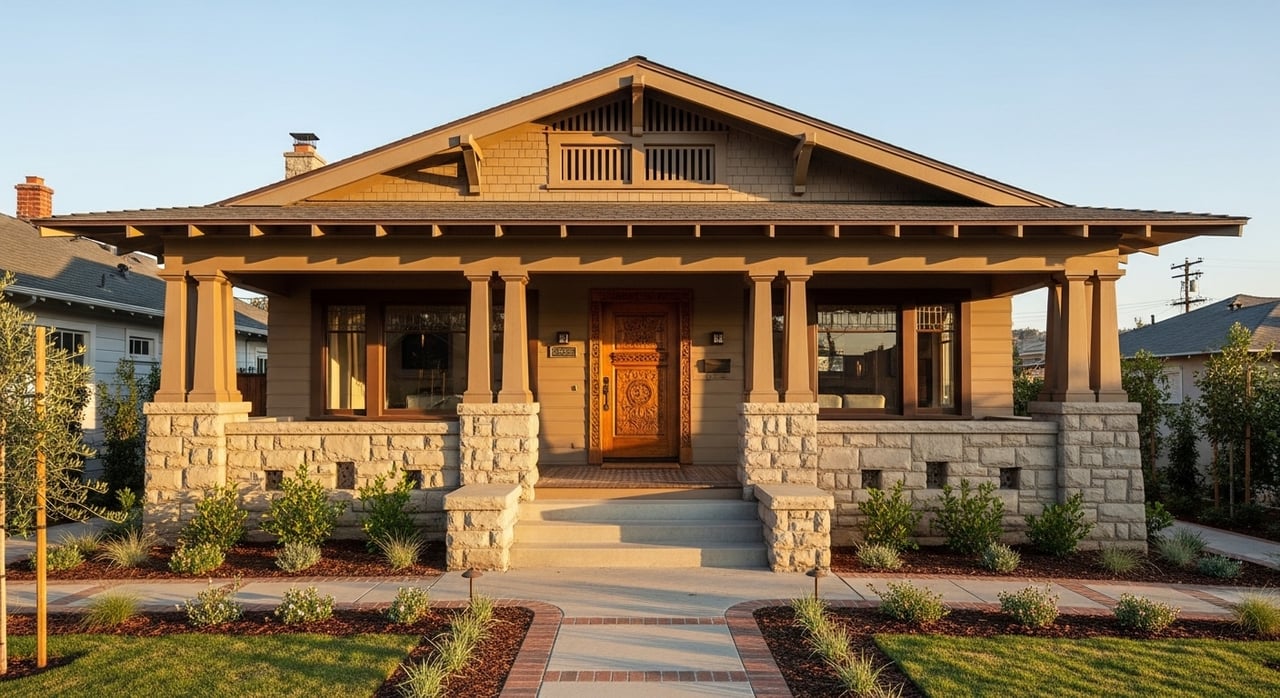
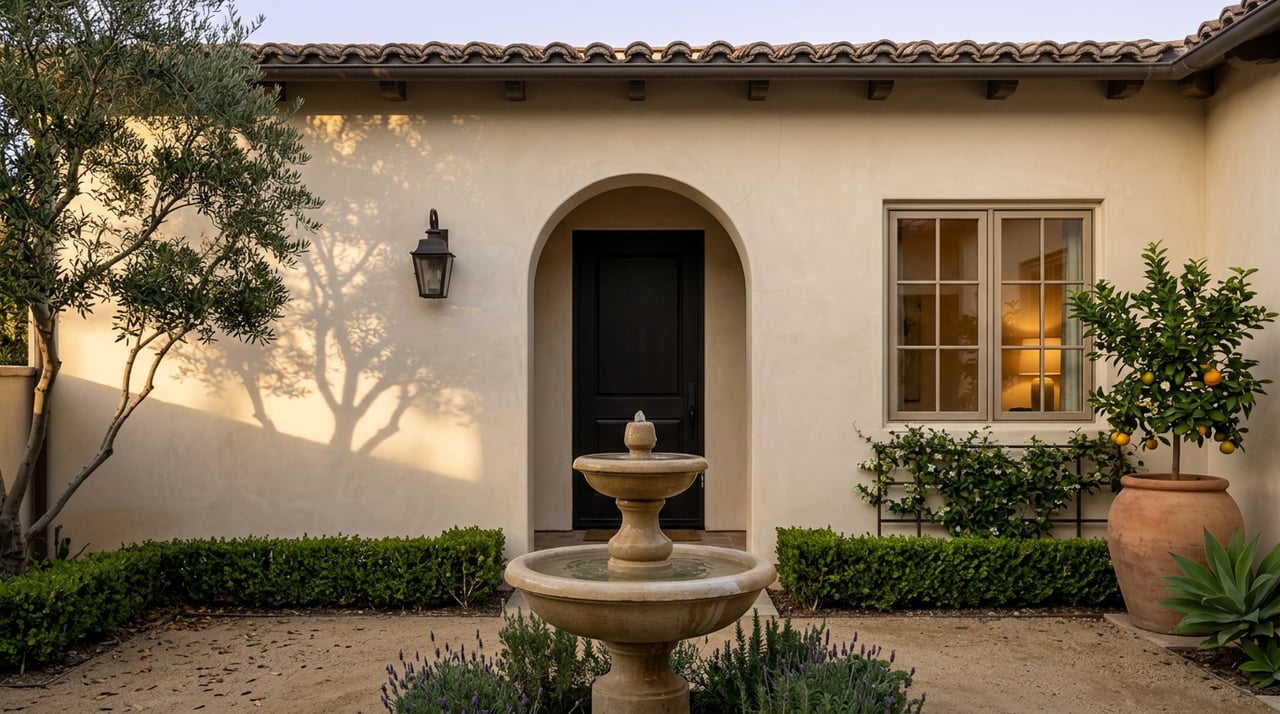
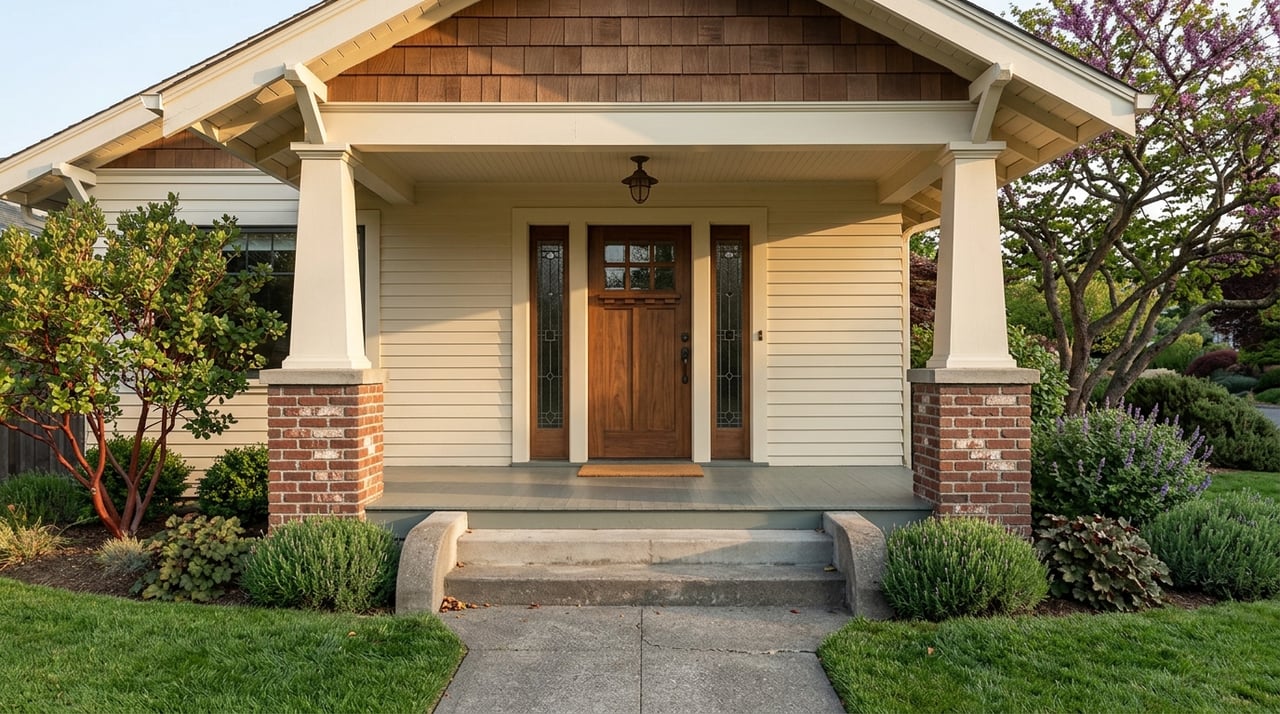
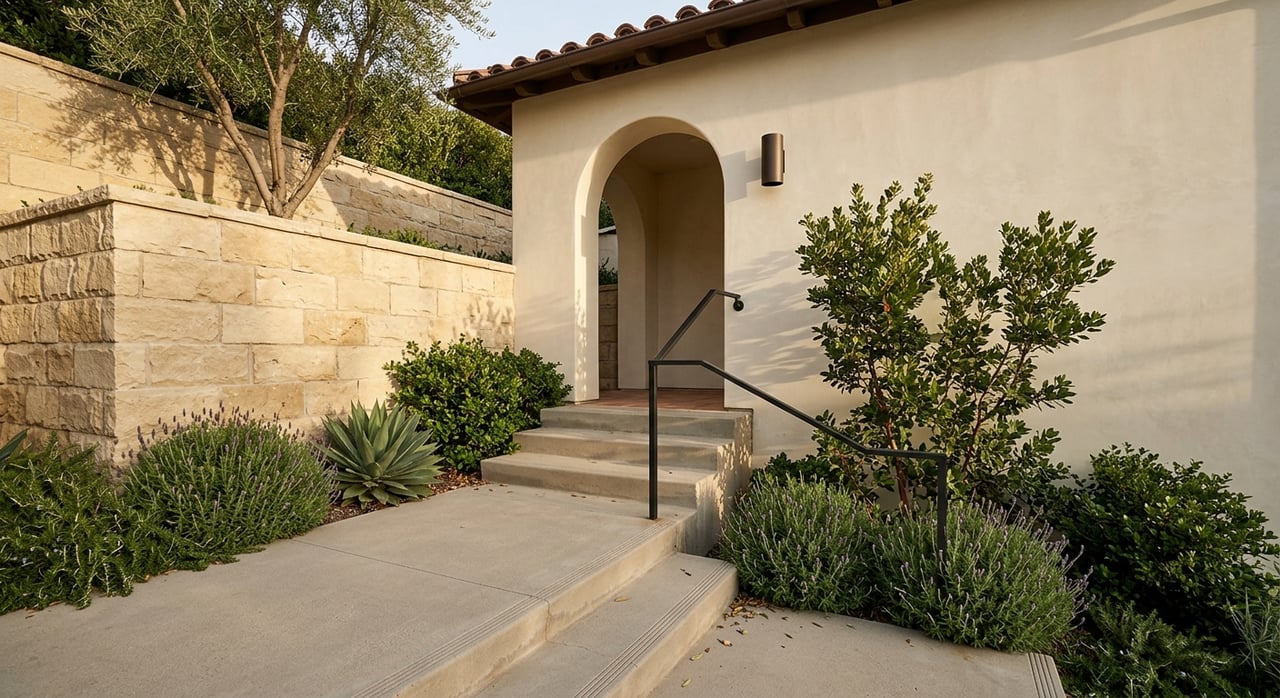
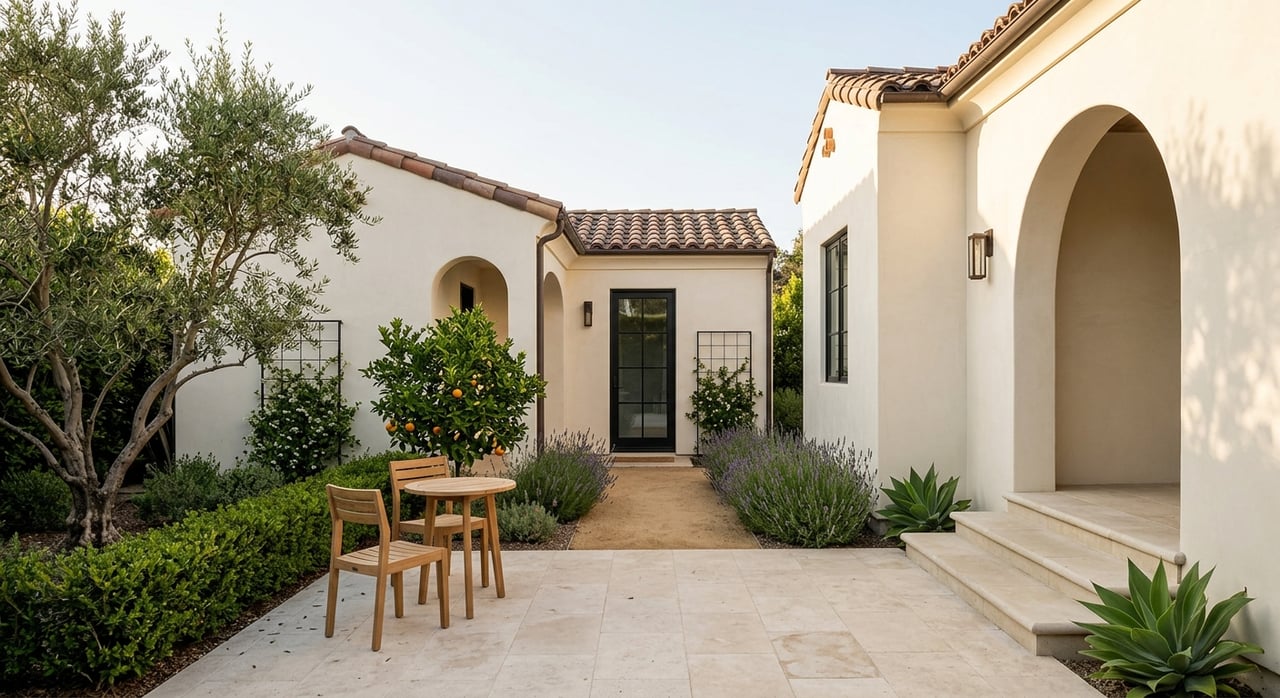
Highland Park-Garvanza is the largest Historic Preservation Overlay Zone in Los Angeles, with about 4,000 structures and more than 50 City Historic-Cultural Monuments. The area includes homes from the 1880s through the 1940s, with styles such as Queen Anne, Shingle, Craftsman, Mission Revival, and Tudor Revival.
That matters because value here is tied to more than square footage and finishes. Buyers often respond to the way a home feels on the street, and in Highland Park, that street-facing character is part of the value story.
Before you choose tile, cabinets, or a contractor, you need to understand whether your project may trigger HPOZ review. The Highland Park-Garvanza Preservation Plan says interior alterations that do not change an exterior feature are exempt from HPOZ review.
However, significant work on contributing elements can require a Certificate of Appropriateness. The plan also treats visibility broadly, which means front and side elevations visible from the street or sidewalk count as visible even if landscaping hides them today.
Use this checklist before design work begins:
These answers can shape your budget, timeline, and design choices from the start.
In the City of Los Angeles, LADBS requires permits for private property construction, alteration, or repair work. Building permits cover new construction, additions, structural alterations, and interior modifications or floor-plan changes.
LADBS also offers Express Permits for some simpler work. Current guidance says homeowners can use Express Permits for projects such as kitchen or bathroom remodeling, same-size window or door replacements, adding or replacing plumbing fixtures, and rewiring electrical outlets.
Once a permit is issued, the work can begin, but it is not fully approved until LADBS inspects and accepts it. Inspectors must be able to see the work before it is covered, so planning ahead matters if you want to avoid delays.
If your goal is value-add remodeling, not every project deserves the same priority. The strongest resale-minded updates are often the ones that improve daily function, reduce visible wear, and strengthen first impressions.
NAR’s 2025 Remodeling Impact Report found especially strong demand for kitchen upgrades, bathroom renovation, and new roofing. It also found that many buyers are less willing to compromise on home condition, which helps explain why dated finishes and deferred maintenance can weigh on resale.
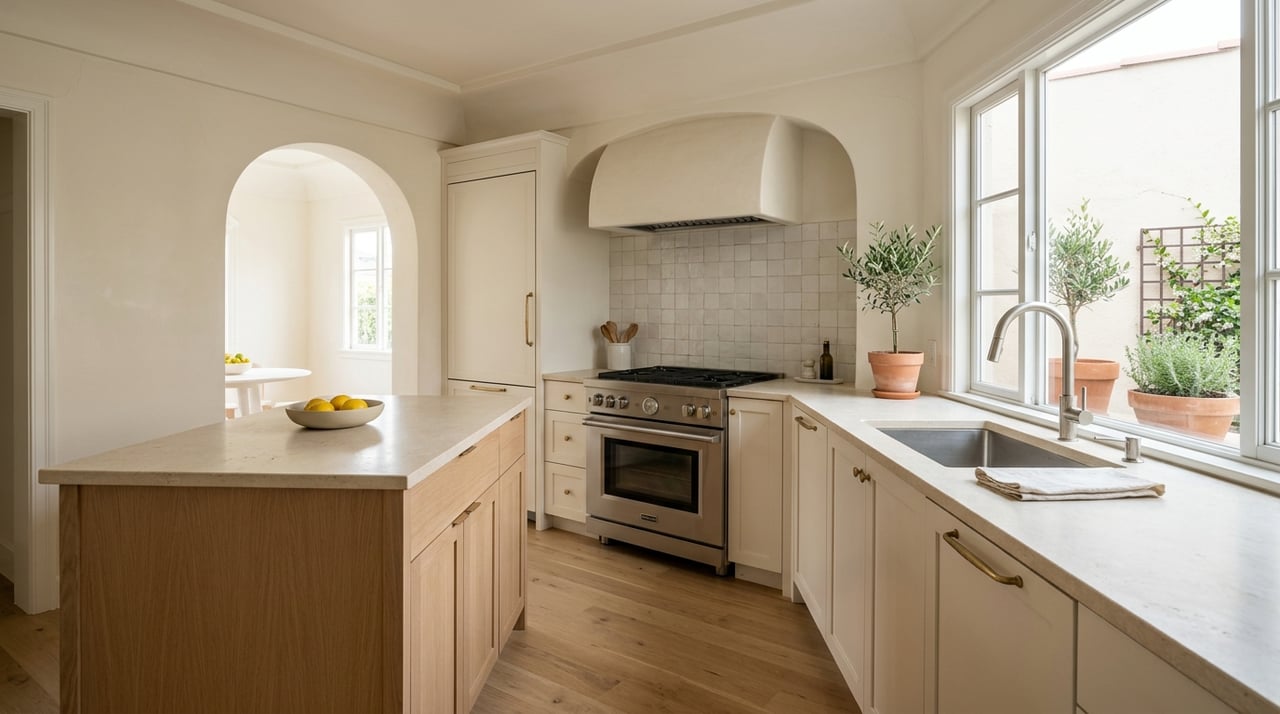
Kitchen work remains one of the clearest places to start. In the 2025 report, a kitchen upgrade earned a Joy Score of 10, and both a complete kitchen renovation and a minor kitchen upgrade were estimated at 60% cost recovery.
That does not mean every Highland Park kitchen should become a full gut renovation. In many homes, a more selective update can make more sense, especially if you improve function and appearance without stripping away details that support the home’s era.
Bathroom renovation remains a high-demand category in the same report. A bathroom addition was estimated at 56% cost recovery, and upgraded baths can help a home feel better maintained and more move-in ready.
For many owners, the best move is a practical one: improve lighting, replace worn materials, and update fixtures while keeping the project aligned with the home’s overall style.
REALTORS® most often recommended painting the entire home, painting one room, and replacing the roof before listing. Those projects may not feel glamorous, but they often influence how buyers read the condition of the property.
In Highland Park, visible upkeep can be especially important because buyers are often reacting to both condition and character at the same time. A clean, well-maintained exterior and a solid roof can support confidence before a buyer even steps inside.
One of the biggest mistakes in Highland Park is remodeling a historic home as if it were brand new construction. The Preservation Plan favors repair over replacement when possible, especially for visible historic features.
If windows must be replaced, the plan says the new units should match the originals in size, shape, pane arrangement, materials, hardware, construction method, and profile. If original examples still exist, replacing non-original windows with matching originals is preferred.
Historic roof forms should be preserved, and skylights or solar panels should be placed to minimize visibility from public rights-of-way. The same general principle applies across many visible exterior elements: if the change affects how the home reads from the street, proceed carefully.
This is why many of the strongest Highland Park remodels modernize kitchens and baths while keeping the street-facing architectural vocabulary intact. You can still create a more functional home without weakening the features that support neighborhood fit and resale appeal.
A good remodel plan balances buyer demand, preservation expectations, and permit reality. In Highland Park, that usually means being selective rather than trying to redo everything at once.
NAR found that consumers remodel for several reasons beyond resale, including upgrading worn-out surfaces and improving energy efficiency. The same data also supports a focused strategy for owners who expect to sell within two years.
If you want a simple way to prioritize, consider this sequence:
This kind of order helps you spend where buyers are most likely to notice while reducing the chance of costly redesigns.
Even well-intentioned remodels can lose momentum if the planning phase is rushed. In this neighborhood, a few mistakes show up again and again.
If you do not know whether your home is contributing or whether the work will be visible from the street, you may end up redesigning later. That can cost both time and money.
For visible historic homes, repair is often favored over replacement. Swapping out character-defining features too quickly can work against both preservation goals and resale appeal.
A high-cost project does not automatically become a high-value project. In many cases, buyers respond more strongly to a polished kitchen, refreshed bath, sound roof, and well-kept exterior than to a dramatic but mismatched overhaul.
Permitted work is not considered approved until LADBS inspects and accepts it. If work is covered too soon, you can create avoidable setbacks.
If resale is part of your plan, step back and ask what a buyer will actually notice. In Highland Park, buyers often respond to a home that feels cared for, functional, and true to its architectural roots.
That usually points toward a balanced approach. Update the rooms that drive daily use, fix what signals deferred maintenance, and preserve the visible features that give the property its place in the neighborhood.
When you are weighing which improvements are likely to support your sale goals in Highland Park, local guidance can make the decision process much clearer. For a personalized strategy grounded in neighborhood knowledge and resale priorities, schedule your consultation with The Kinkade Group.
Stay up to date on the latest real estate trends.
I am committed to guiding you every step of the way—whether you're buying a home, selling a property, or securing a mortgage. Whatever your needs, I've got you covered.
THE KINKADE GROUP | CA DRE# 01811027
680 E. Colorado Blvd #400 Pasadena, CA 91101