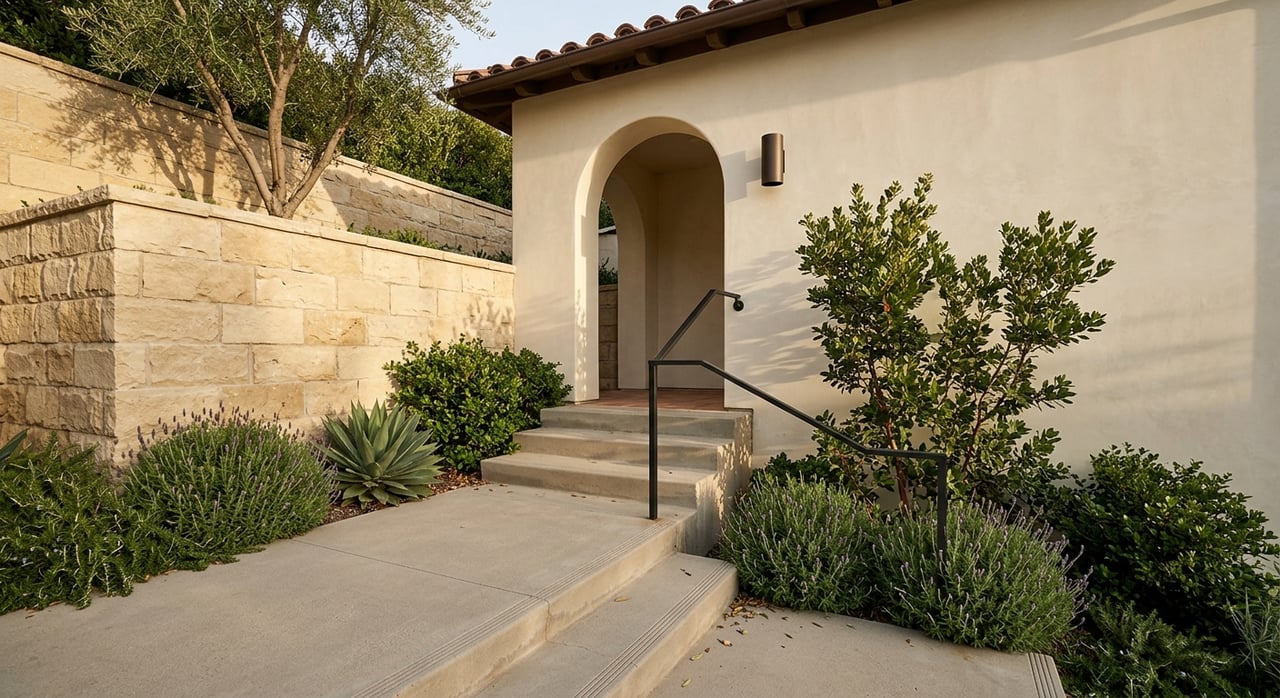
What Drives Value For Mount Washington View Homes
July 2, 2026
July 2, 2026
If you have ever wondered why two Mount Washington homes with “views” can sell at very different prices, you are asking the right question. In this hillside neighborhood, value is not just about seeing the city from above. It is about how usable, lasting, and livable that view really is, plus how the home itself handles the realities of the terrain. This guide will help you understand what actually drives value for Mount Washington view homes so you can read listings, compare properties, and make smarter decisions. Let’s dive in.
Mount Washington is shaped by hills, canyons, ridgelines, and narrow streets, and that physical setting has a direct impact on home values. City planning documents describe the area as a place with natural open space, panoramic vistas, and scenic views, while also noting circulation, access, and parking constraints on many hillside streets.
That mix creates a very specific pricing dynamic. A great view can absolutely lift value, but buyers also weigh how easy the home is to reach, how practical the parking is, and whether the lot works well for daily life. In other words, the setting creates both the upside and the tradeoffs.
Not all views carry the same value. Research on residential views shows that premiums vary based on visibility, exclusivity, durability, and how much of the view you can actually enjoy from the home.
In Mount Washington, that usually means a broad, unobstructed, hard-to-replicate view is more valuable than a partial view or one that feels easy to block. A sweeping city-lights panorama will often be treated differently than a narrower canyon outlook or a small peek between neighboring homes.
A full view that opens up from main living spaces tends to feel more premium than a view you only catch from one window. Buyers generally respond more strongly when the view feels like part of everyday living rather than a nice extra.
That is one reason two homes at similar elevations can perform differently. Height alone does not determine value. The actual viewing experience does.
A view that feels secure often carries more weight than one that seems vulnerable to future obstruction. If the outlook is broad and difficult to replicate, it may feel more special in the market.
This is especially important in a hillside neighborhood where orientation, surrounding homes, and topography all shape what you can see. A dramatic view on paper is not always the same as a durable, marketable view in practice.
The way a home sits on its lot matters almost as much as the view itself. Orientation and site geometry affect which rooms capture the outlook and whether outdoor spaces actually benefit from it.
That is why some homes feel much more compelling in person than their square footage alone would suggest. If the kitchen, living area, primary bedroom, or deck all connect to the view, the experience feels richer and more useful.
In Mount Washington West, postwar planning placed homes toward the front of lots, often leaving larger backyards and terraces. That layout can make the view part of daily life, not just something reserved for one special room.
For buyers, this can translate into stronger appeal. For sellers, it helps explain why usable terraces, decks, and yards often matter so much when pricing a view home.
A beautiful outlook becomes more valuable when you can actually live with it. Usable outdoor areas such as decks, terraces, and backyards can turn a visual feature into a lifestyle feature.
That distinction matters in Mount Washington. A home with a broad view and a stable, functional outdoor area may feel more premium than a home with a similar view but limited exterior use.
When buyers compare homes, they often look beyond the photo-friendly angle. They want to know whether the outdoor space feels practical for morning coffee, dinner outside, or quiet downtime.
That does not mean every yard needs to be large. It means the space should feel usable and well connected to the home and setting.
In Mount Washington, a strong view does not erase hillside logistics. The Mount Washington/Glassell Park Specific Plan notes that many hillside streets are narrow or do not meet present city standards, creating issues for public safety, vehicular access, circulation, and off-street parking.
That reality shows up in buyer behavior. Homes with easier access, better parking, and more practical driveways can have an advantage over homes where arrival feels more complicated.
You may love the view, but if the street is tight and parking is limited, buyers will factor that into value. In a neighborhood like Mount Washington, convenience and daily function are part of the overall package.
This is one of the biggest reasons sellers should avoid pricing based only on view quality. A home’s access story matters too.
Condition is a core valuation factor in any market, and Mount Washington is no exception. The neighborhood has a varied mix of housing from the 1910s through the 1960s, including Craftsman, Period Revival, Mid-Century Modern, Ranch, and other custom hillside homes.
That variety means architectural character can shape the buyer pool. A preserved original home, a thoughtful remodel, and a heavily altered property may all attract different levels of interest, even when they share a similar location.
Homes with intact architectural character often stand out more clearly. Buyers may respond strongly to original design details, especially when they are paired with well-executed improvements and strong overall maintenance.
Quality matters here. Inconsistent additions or lower-quality renovations can change how a home is perceived, even if the view is excellent.
Mount Washington is not one uniform pricing zone. SurveyLA describes steep canyons, narrow ridges, and development patterns from different eras, which means older ridge homes, canyon properties, postwar tract sections, and architect-designed houses do not always behave the same way in the market.
That is why narrow comp selection is so important. A home’s slope exposure, access, lot feel, and architectural era can all affect how buyers compare it.
Two homes can both be in Mount Washington and still belong to very different value conversations. One may trade more on architecture and privacy, while another trades more on view width, yard usability, or parking.
If you are buying or selling, the best comparisons are usually the most specific ones. Neighborhood name alone is not enough.
View living in Mount Washington also comes with ongoing responsibilities. The Los Angeles Fire Department’s brush-clearance program sends annual compliance notifications, and Mount Washington has been part of the brush-clearance inspection program since 1986.
For buyers, that means hillside ownership includes recurring defensible-space maintenance. For sellers, it is one more reason the total ownership experience can influence how a property is perceived.
When you look at a listing, the best questions are practical ones. Instead of asking only, “Does it have a view?” ask how that view functions in daily life and how it fits into the full property experience.
A useful checklist includes:
If you want to understand fair value, compare homes using the features that matter most in this neighborhood. That usually leads to a more accurate read than lumping all view homes together.
Focus on these comp filters:
If you are selling a Mount Washington view home, the strongest pricing story usually goes beyond the view itself. Buyers want to understand the full package, including condition, design integrity, outdoor enjoyment, access, and parking.
This is also where presentation matters. Clear photography, thoughtful positioning, and a pricing strategy built around the right comp set can help the market see the property more accurately.
If you are buying, it helps to slow down and separate the emotional pull of the view from the mechanics of value. A beautiful first impression is important, but long-term satisfaction often comes from how the home lives day to day.
The right purchase is not always the highest perch. It is the home where view quality, usability, condition, and hillside practicality come together in a way that fits your goals.
If you are weighing a Mount Washington view home or preparing one for sale, The Kinkade Group can help you evaluate the details that truly drive value and build a strategy around the way this neighborhood really works.
Stay up to date on the latest real estate trends.
I am committed to guiding you every step of the way—whether you're buying a home, selling a property, or securing a mortgage. Whatever your needs, I've got you covered.
THE KINKADE GROUP | CA DRE# 01811027
680 E. Colorado Blvd #400 Pasadena, CA 91101